


What is a 110V Transformer? Complete Guide by Connexion Electrical


A 110V transformer is an electrical device designed to convert voltage to 110 volts, ensuring that appliances and equipment operate safely and efficiently. It protects devices from damage caused by voltage mismatches and is widely used in homes, offices, and industrial settings.
What is a 110V Transformer?
A 110V transformer steps down or steps up voltage to provide a stable 110V output. This is crucial for devices built to operate at 110V, especially in regions with different mains voltages. By regulating voltage, transformers prevent overheating, electrical faults, and equipment failure.
Common Transformer Capacities
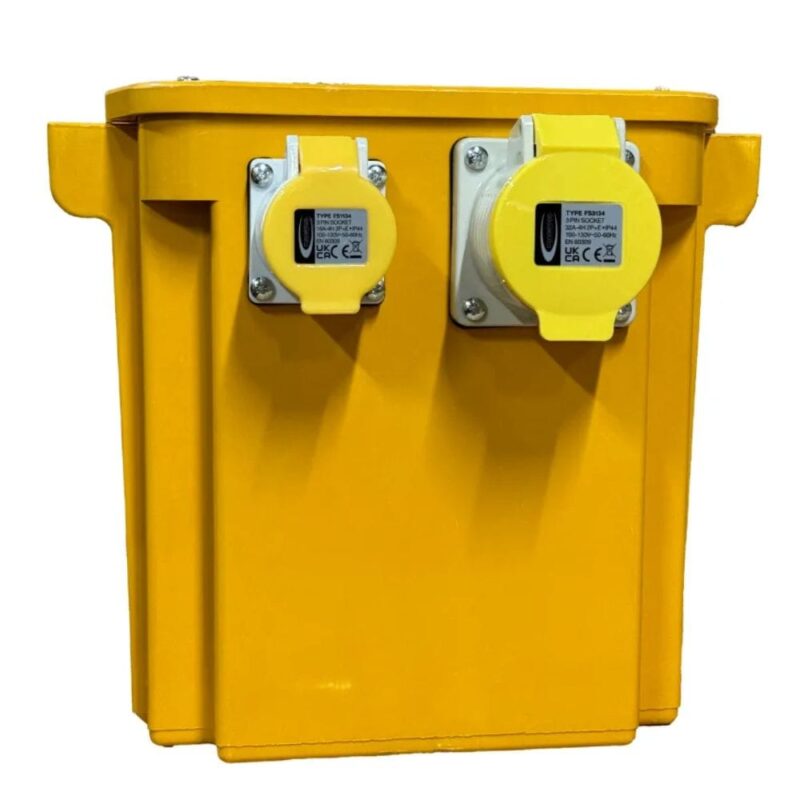
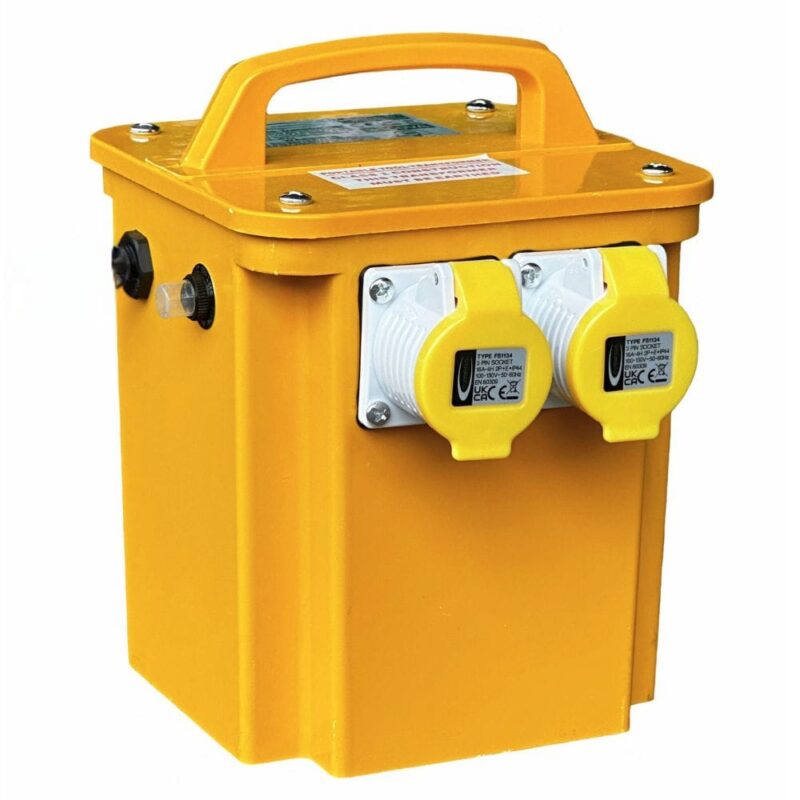
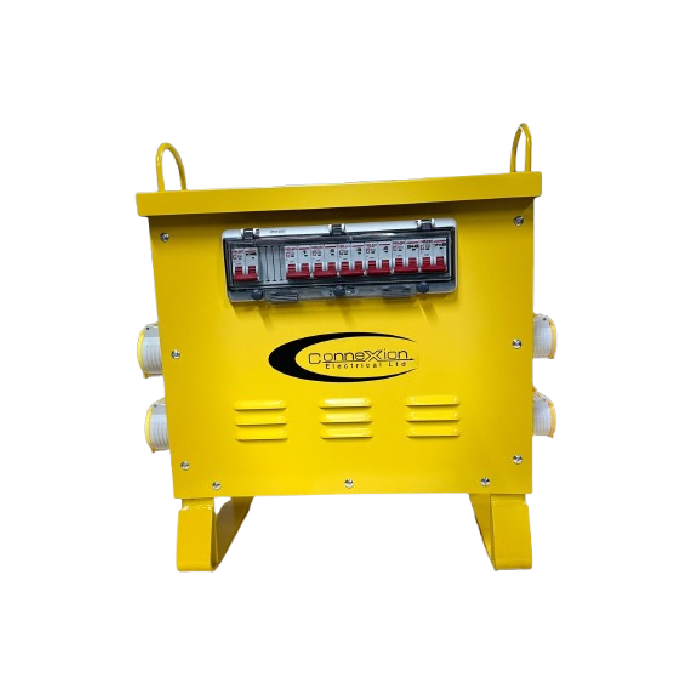
- 3kVA Transformer Suitable for small loads, home appliances, and light office equipment.
- 5kVA Transformer Ideal for medium loads, including multiple office devices or small industrial machines.
- 10kVA Transformer Designed for heavy-duty loads, industrial equipment, and large commercial systems.
Key Features and Benefits
- Maintains safe voltage for connected devices
- Compatible with single-phase and three-phase systems
- Reduces risk of damage and prolongs appliance lifespan
- Energy-efficient design minimizes power loss
Benefits:
- Safety: Protects devices from voltage spikes
- Efficiency: Reduces energy loss during conversion
- Versatility: Suitable for various appliances and machines
- Durability: Extends the lifespan of connected equipment
Common Problems and Solutions
Problem: A 110V device connected directly to a 220V or higher voltage supply can overheat or fail.
Solution: Install a properly rated 110V transformer. Ensure the transformer’s capacity matches the total load of all connected devices. Regular inspections and maintenance further prevent electrical faults and improve performance.
Choosing the Right 110V Transformer
| Feature | Description |
|---|---|
| Voltage Conversion | Steps voltage up or down to provide 110V output |
| Load Capacity | Matches wattage of connected appliances |
| Safety Certifications | Complies with national and international electrical standards |
| Installation Type | Indoor, outdoor, wall-mounted, or portable |
| Efficiency Rating | Reduces energy loss during voltage conversion |
Maintenance Tips
- Keep the transformer in a dry, ventilated area
- Avoid exceeding its rated capacity
- Inspect wiring, insulation, and connections regularly
- Replace any damaged or worn components immediately
FAQs
Q1: Can I use a 5kVA transformer for home appliances?
A: Yes, if the combined wattage of your devices does not exceed the 5kVA rating.
Q2: What is the difference between 3kVA and 10kVA transformers?
A: 3kVA is suitable for smaller loads, while 10kVA can handle heavy industrial or commercial loads.
Q3: How often should I maintain my 110V transformer?
A: Inspect at least every 6–12 months and check for overheating, loose connections, or damaged insulation.
Q4: Can I use a 110V transformer outdoors?
A: Yes, but ensure it is rated for outdoor use and protected from moisture and direct sunlight.
Q5: What happens if I overload a transformer?
A: Overloading can cause overheating, insulation damage, reduced efficiency, and potential failure of connected equipment.