

Site Transformers
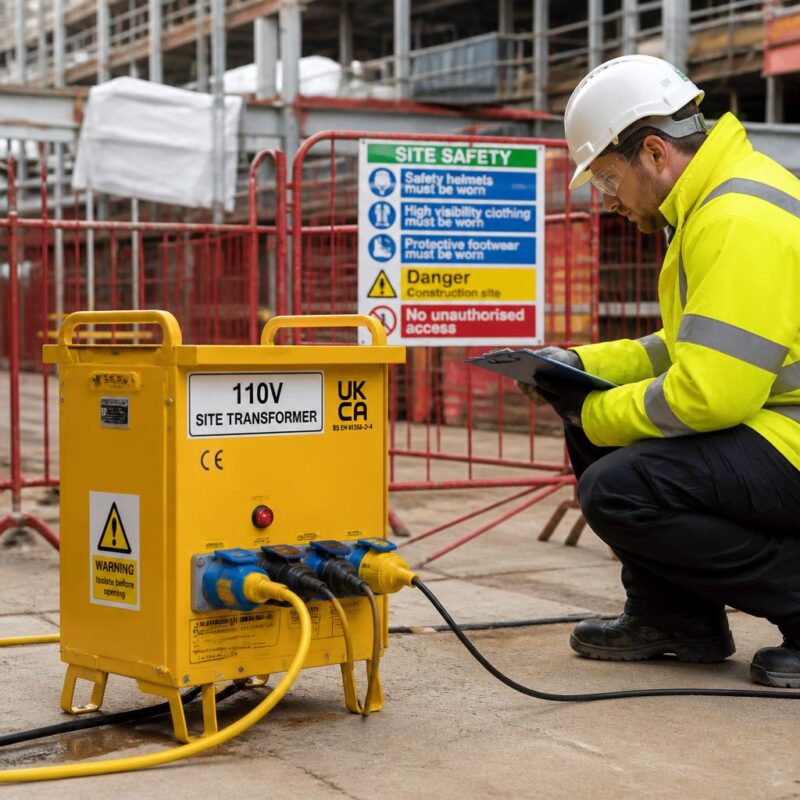
Site Transformer Safety Regulations & BS EN Compliance Explained
A site transformer is a piece of electrical equipment used on construction and industrial sites to convert high voltage mains electrici...
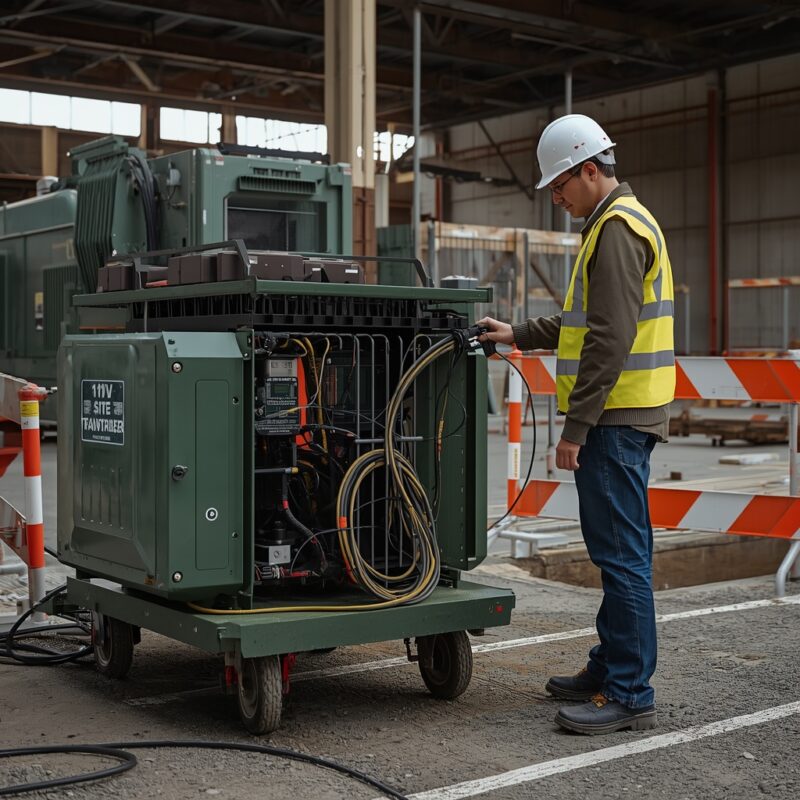
Best Site Transformers UK for Contractors and Construction Firms
A site transformer is an electrical device used on construction and industrial sites to convert standard mains electricity into a safer...
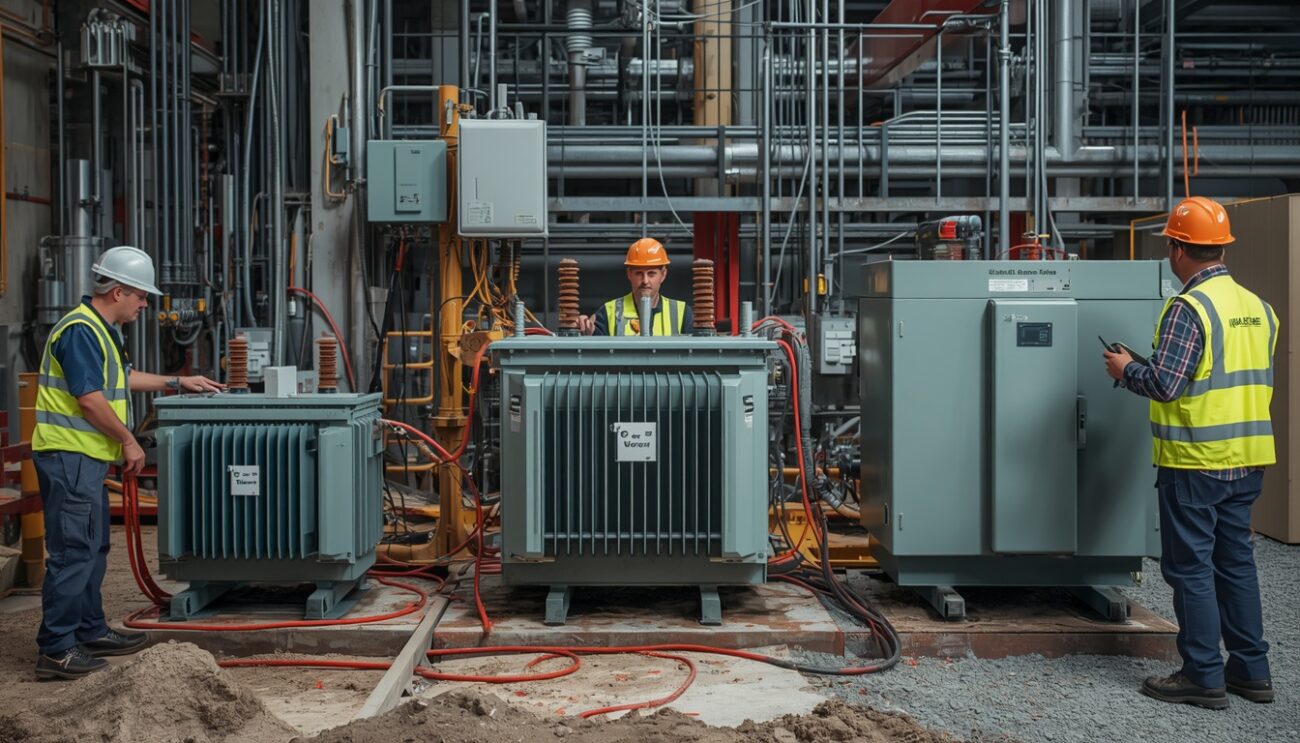
3kVA vs 5kVA vs 7.5kVA Site Transformers: Which One Do You Need?
A site transformer is an electrical device used on construction sites to safely convert standard mains power (usually 240V) into a lowe...
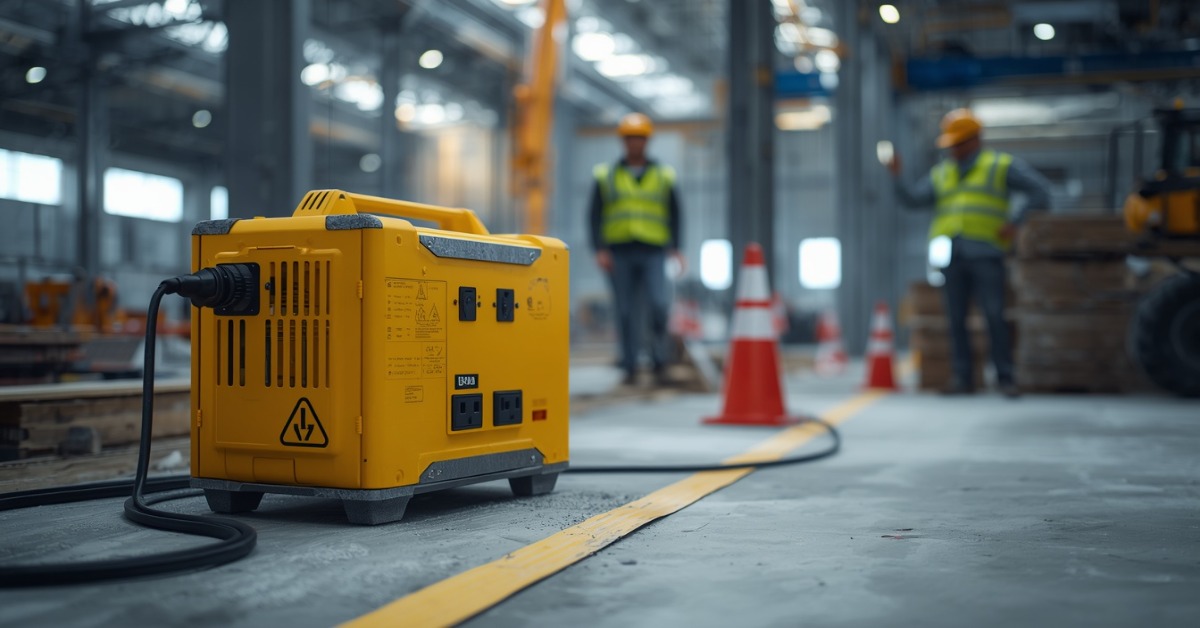
110V Site Transformer Buying Guide for Construction Sites
A 110V site transformer is a portable electrical device that converts standard 240V mains power into a safer 110V supply, which is comm...
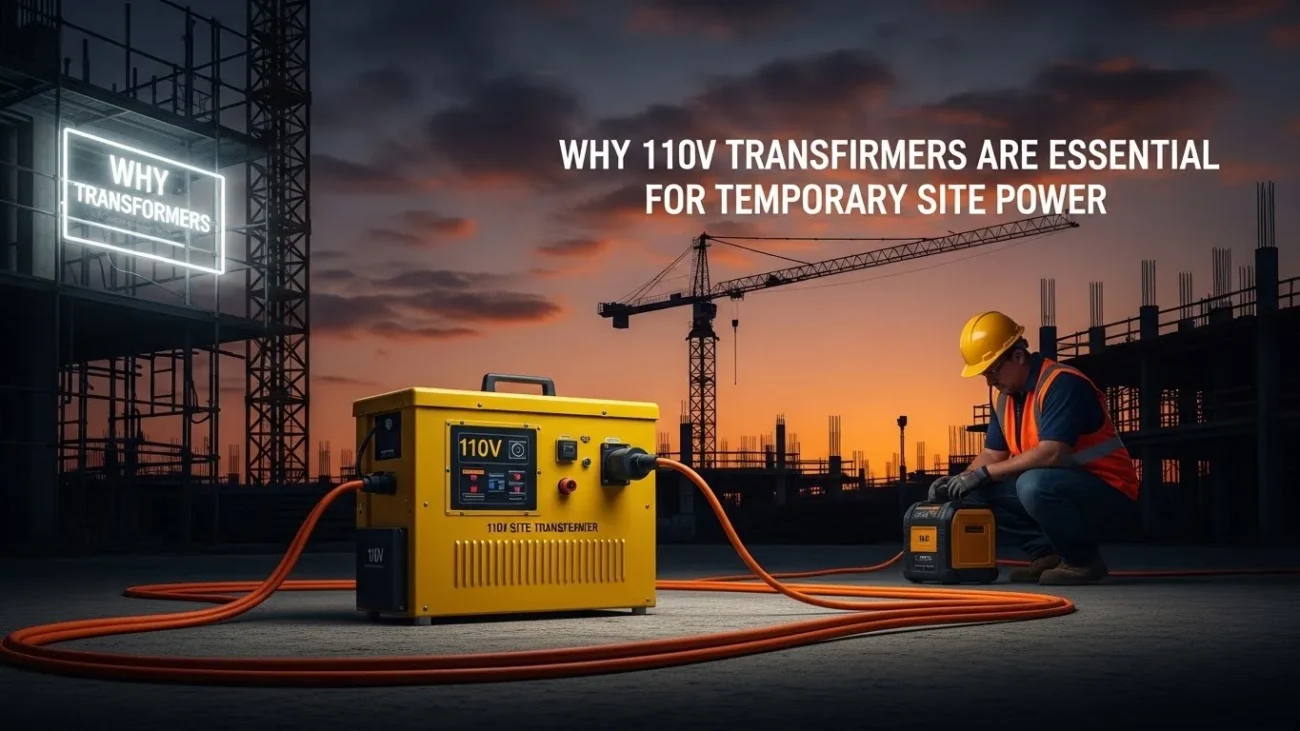
Why 110V Transformers Are Essential for Temporary Site Power
Temporary power is the backbone of construction sites, industrial maintenance projects, events, and outdoor works. In the UK, 110V tran...
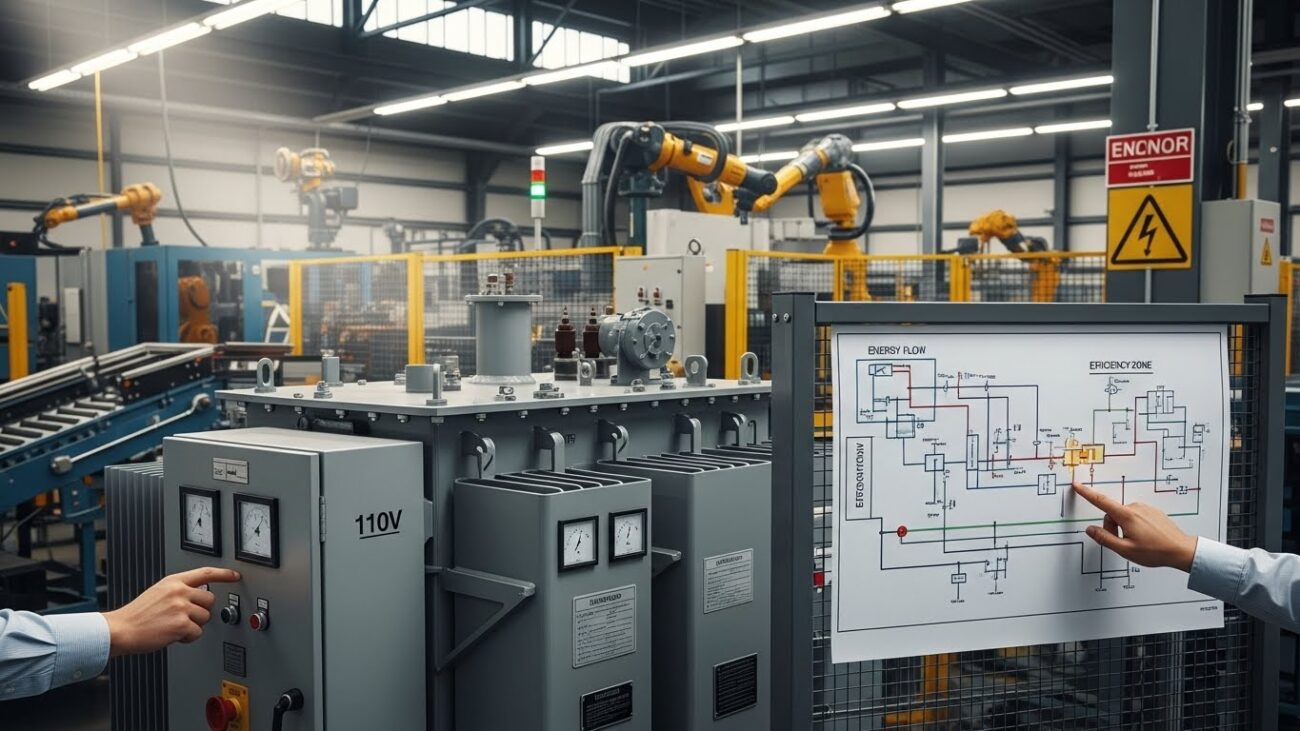
Energy Efficiency Tips for 110V Transformers in Industrial Settings
In industrial and construction environments, 110V site transformers play a critical role in powering tools, lighting, and temporary inf...
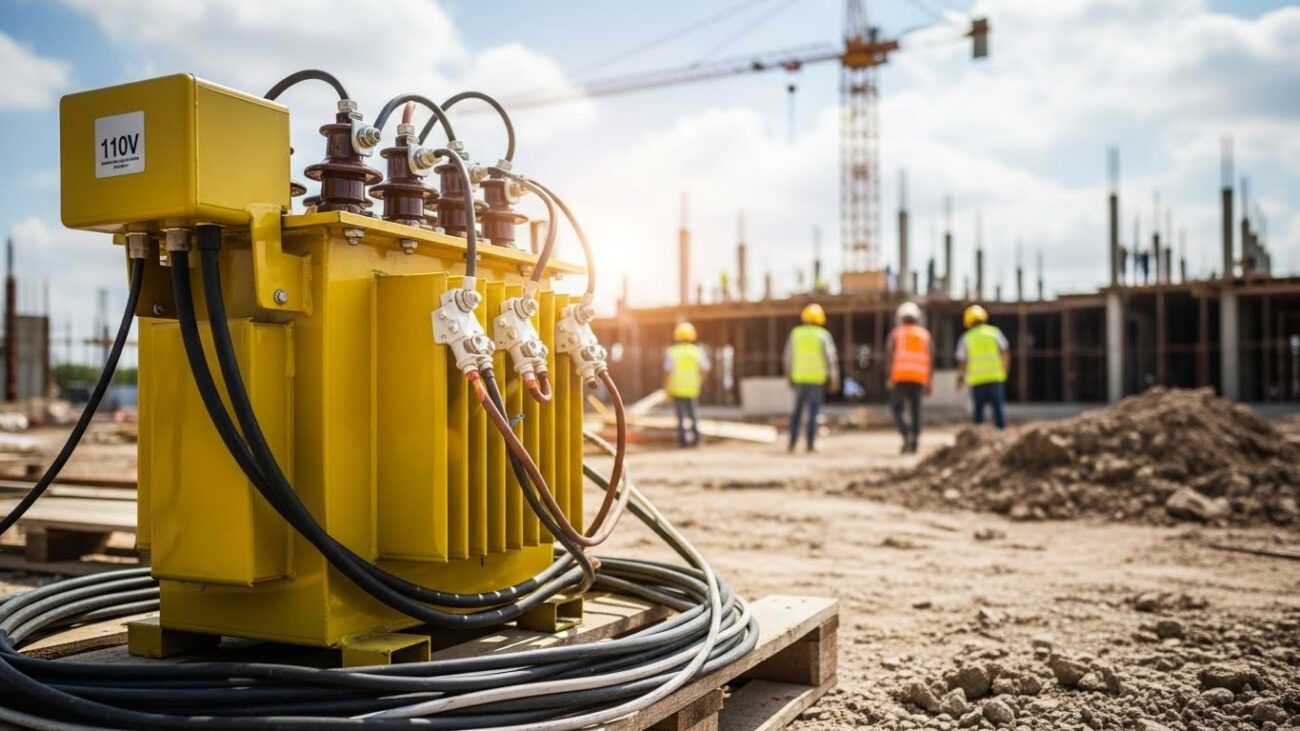
How 110V Transformers Protect Your Equipment from Voltage Surges
Voltage surges are a major cause of electrical equipment failure, especially in the UK where mains power operates at around 220–230V. 1...
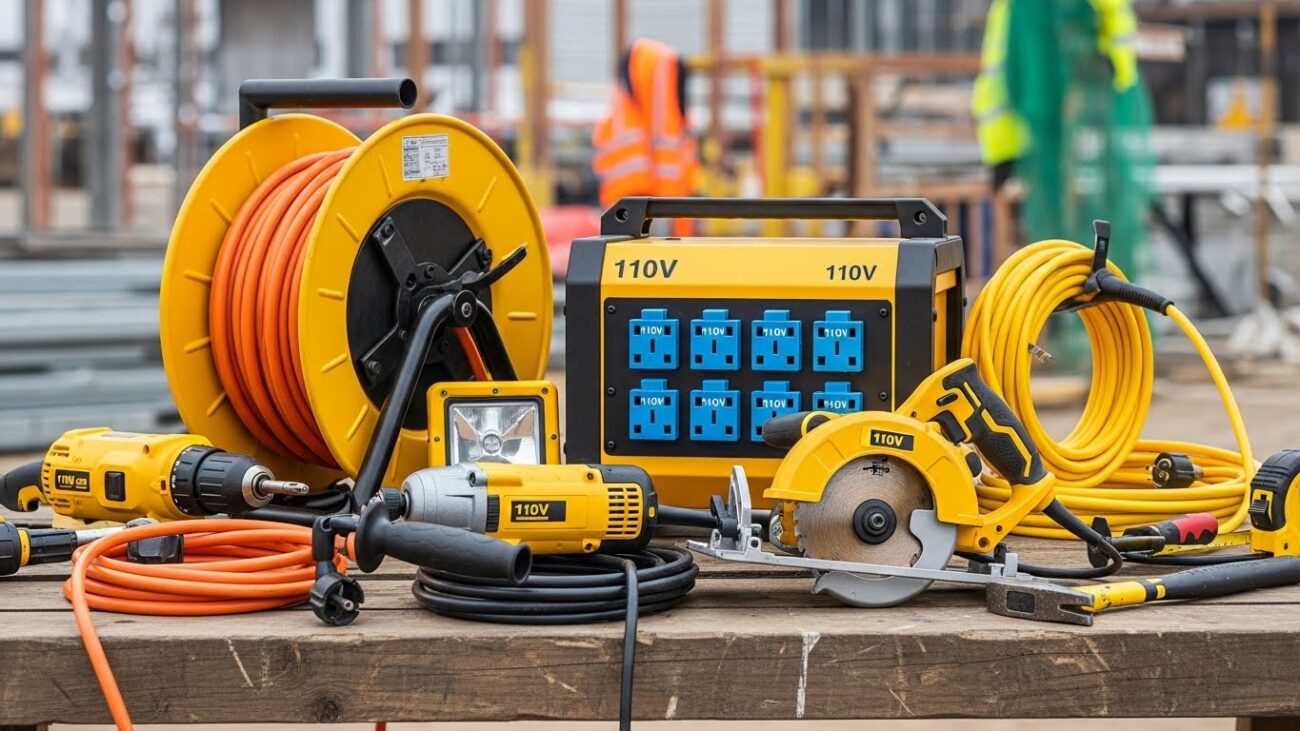
Best 110V Site Power Tools & Why They Matter
110V site power tools are the UK standard for construction sites. They reduce electric shock risk, support electrical safety UK complia...
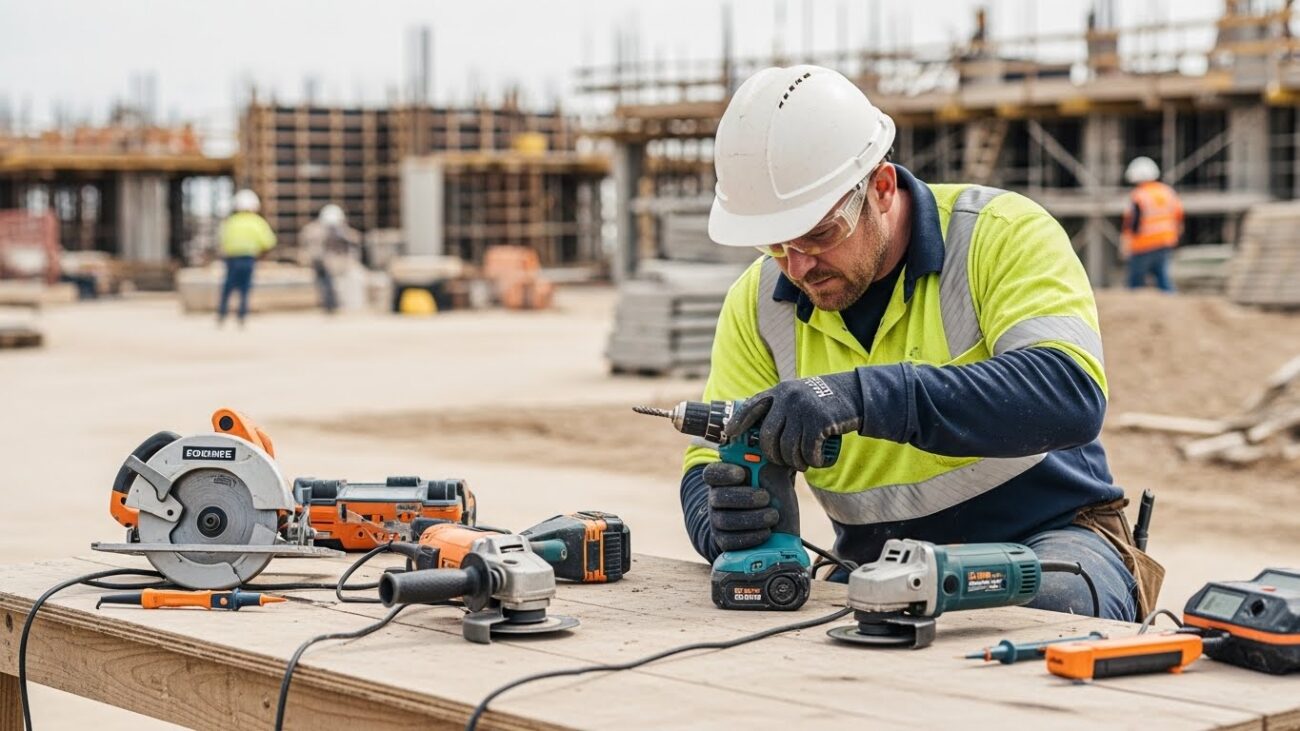
Daily Inspection of Electrical Tools and Equipment at Construction Sites
Daily inspection of electrical tools and equipment is essential for preventing accidents and maintaining safe power distribution on UK ...
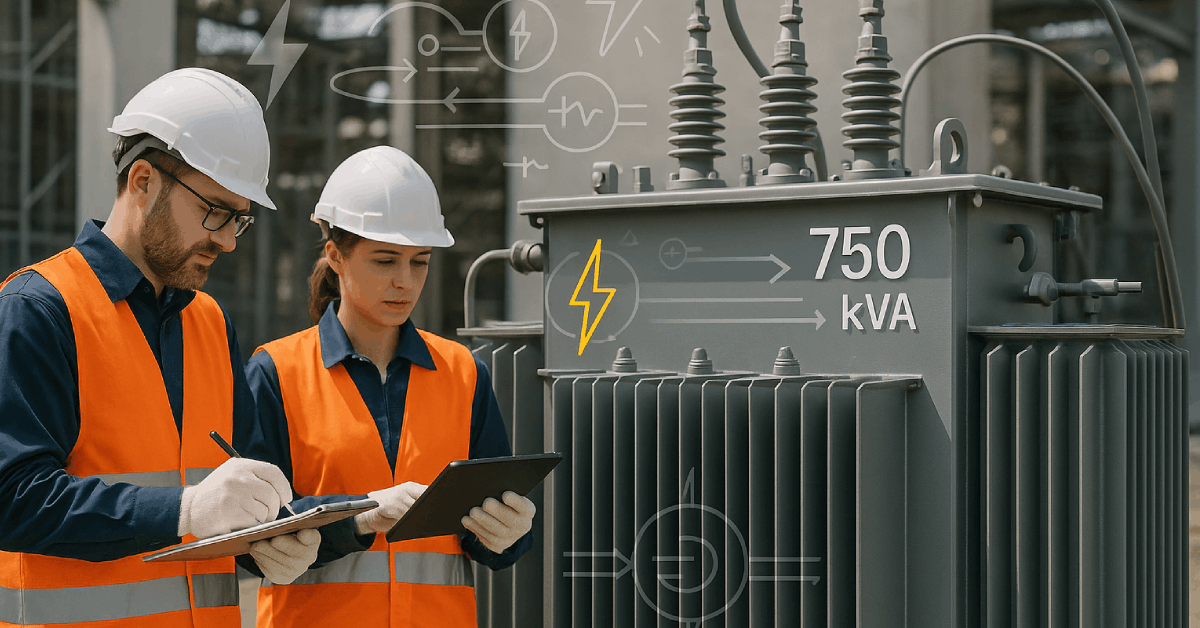
Understanding kVA: How to Choose the Right Site Transformer
On any construction or industrial site, reliable power is essential. A site transformer ensures tools and equipment receive a safe, con...