

Latest Weekly News
How to Inspect 110V Industrial Cables and Reels for Wear and Tear

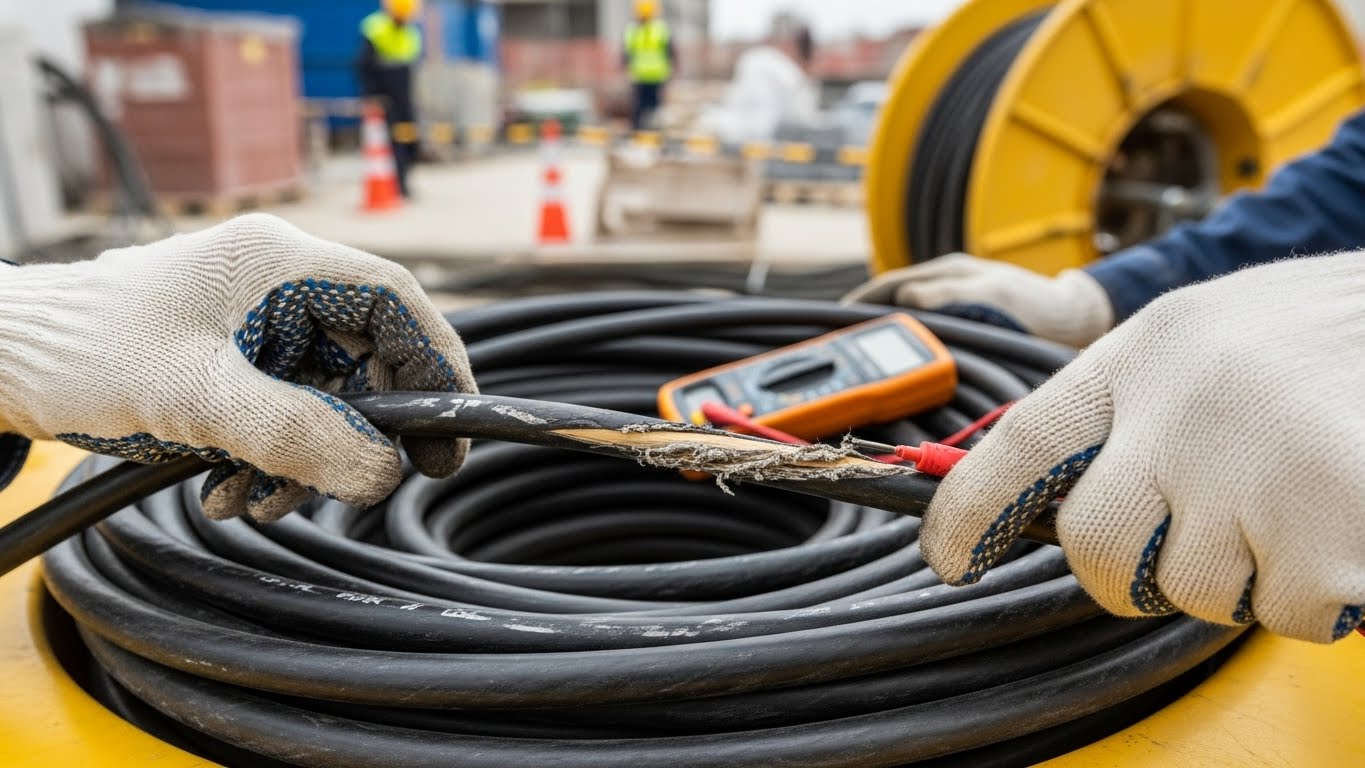
On UK construction sites, 110V electrical systems are the industry standard because they significantly reduce the risk of electric shock. However, damaged cables or faulty reels can negate these safety benefits.
Frequent handling, harsh environments, weather exposure, and mechanical stress mean that 110V cable reels, extension leads, and plugs are constantly at risk of wear and tear. Regular inspection is not only best practice, it’s the need.
Understanding 110V Industrial Cables and Cable Reels
Before inspecting, it’s important to understand the equipment in use. Common site equipment includes:
- 110V cable reels for distributing power across large work areas
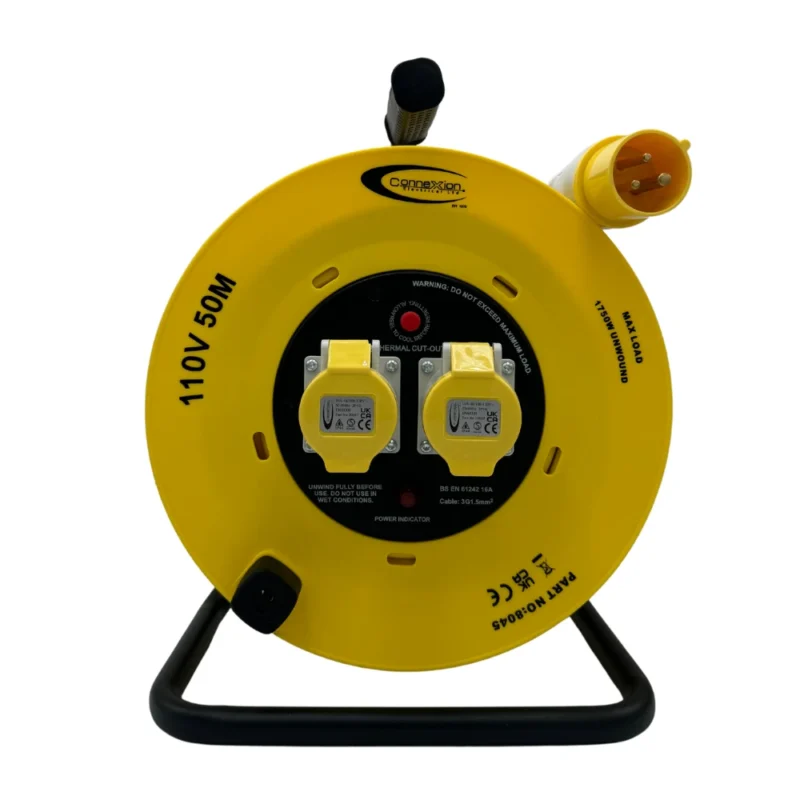
- Cable reel 110V systems designed for transformers and site tools
- Heavy duty extension cord reels built to withstand impact and abrasion
- Retractable electric cord reels used in workshops and fixed installations
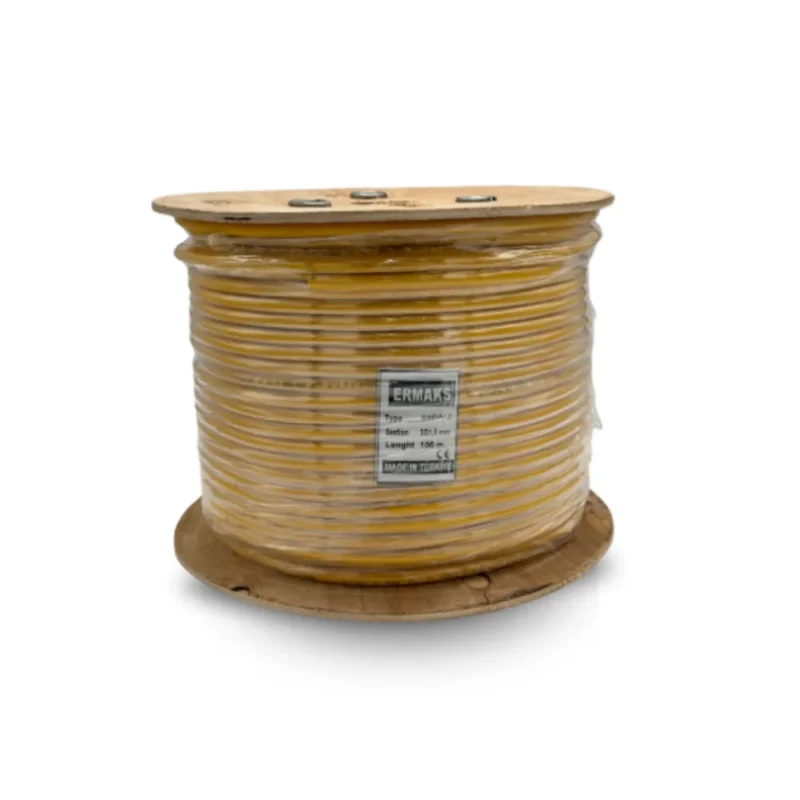
High-quality products such as a 110V Cable Reel 50m or a 110V Cable Drum 100m are engineered for industrial use, but even the most robust equipment requires routine checks.
Step-by-Step Guide to Inspecting 110V Industrial Cables
1. Inspect the Outer Cable Sheath
Check the full length of the cable for:
- Cuts, splits, or exposed inner conductors
- Crushing or flattening caused by vehicles or equipment
- Abrasion from rough surfaces or sharp edges
Any exposed copper or internal insulation damage means the cable must be removed from service immediately.
2. Check Plugs, Sockets, and Connectors
110V connectors are often subject to rough handling. Inspect for:
- Cracked or broken plug casings
- Loose pins or bent contacts
- Signs of overheating or burn marks
Damaged connectors compromise earthing and increase the risk of arcing and electric shock.
3. Examine Strain Relief and Cable Entry Points
The most common failure point on any heavy duty extension cord reel is where the cable enters the plug or reel housing.
Look for:
- Loose or missing strain reliefs
- Cable movement when gently pulled
- Splitting at the cable entry point
Strain relief failure can cause internal wire breakage even if the outer sheath appears intact.
4. Inspect the Cable Reel Mechanism
For 110V cable reels and retractable electric cord reels, inspect the reel itself:
- Ensure the drum rotates smoothly
- Check locking mechanisms function correctly
- Confirm the cable retracts evenly without snagging
- Look for cracks or impact damage to the reel housing
A damaged reel can cause internal conductor stress and overheating.
5. Look for Signs of Overheating
Overheating is a serious risk, especially if reels are used while fully wound.
Warning signs include:
- Discolouration of cable insulation
- Melted plug pins or sockets
- A strong plastic or burning smell
Always fully unwind cable reels under load to prevent heat build-up.
Inspection Frequency: How Often Should You Check 110V Cables?
Best practice for construction environments includes:
- Visual checks before every use
- Formal inspections weekly or monthly, depending on site conditions
- Portable Appliance Testing (PAT) at defined intervals
High-use items such as cable reel 110V units should be inspected more frequently due to constant movement and load changes.
Why Quality Cable Reels Matter for Long-Term Safety
Not all cable reels are built to the same standard. Industrial-grade reels are designed with:
| Feature | Why It Matters for Long-Term Safety |
| Heavy-duty insulation | Protects internal conductors from abrasion, impact, moisture, and harsh site conditions, reducing the risk of electric shock and short circuits |
| Robust drum housings | Prevents structural damage from drops, crushing, and constant movement, helping maintain cable alignment and prevent internal strain |
| Reinforced strain reliefs | Reduces stress at cable entry points, preventing internal wire breakage and extending the working life of the cable reel |
| Compliance with UK and EU safety standards | Ensures the cable reel meets recognised electrical safety, performance, and construction site regulations |
| Professionally engineered long-run reels | Supports reliable power distribution across large sites, lowers failure rates, and contributes to safer working environments |
Using professionally engineered solutions – such as long-run reels commonly used across large sites – reduces failure rates and supports safer working environments.
Common Inspection Mistakes to Avoid
- Ignoring minor nicks or abrasions
- Using damaged cables “just for a short job”
- Leaving reels partially wound under load
- Failing to remove defective equipment from service
These shortcuts are a leading cause of electrical incidents on construction sites.
FAQs
What is the biggest risk with damaged 110V cables?
The main risks are electric shock, overheating, fire, and loss of earth protection, even at reduced voltage levels.
Can damaged 110V cables be repaired?
Minor plug replacements may be possible, but damaged cable insulation usually requires full replacement to maintain safety compliance.
Should cable reels be fully unwound during use?
Yes. Fully unwinding prevents heat build-up and extends the life of the cable.
Are retractable electric cord reels suitable for construction sites?
They can be used in controlled environments, but must be rated for industrial duty and inspected frequently.