


Best 110V Site Power Tools & Why They Matter

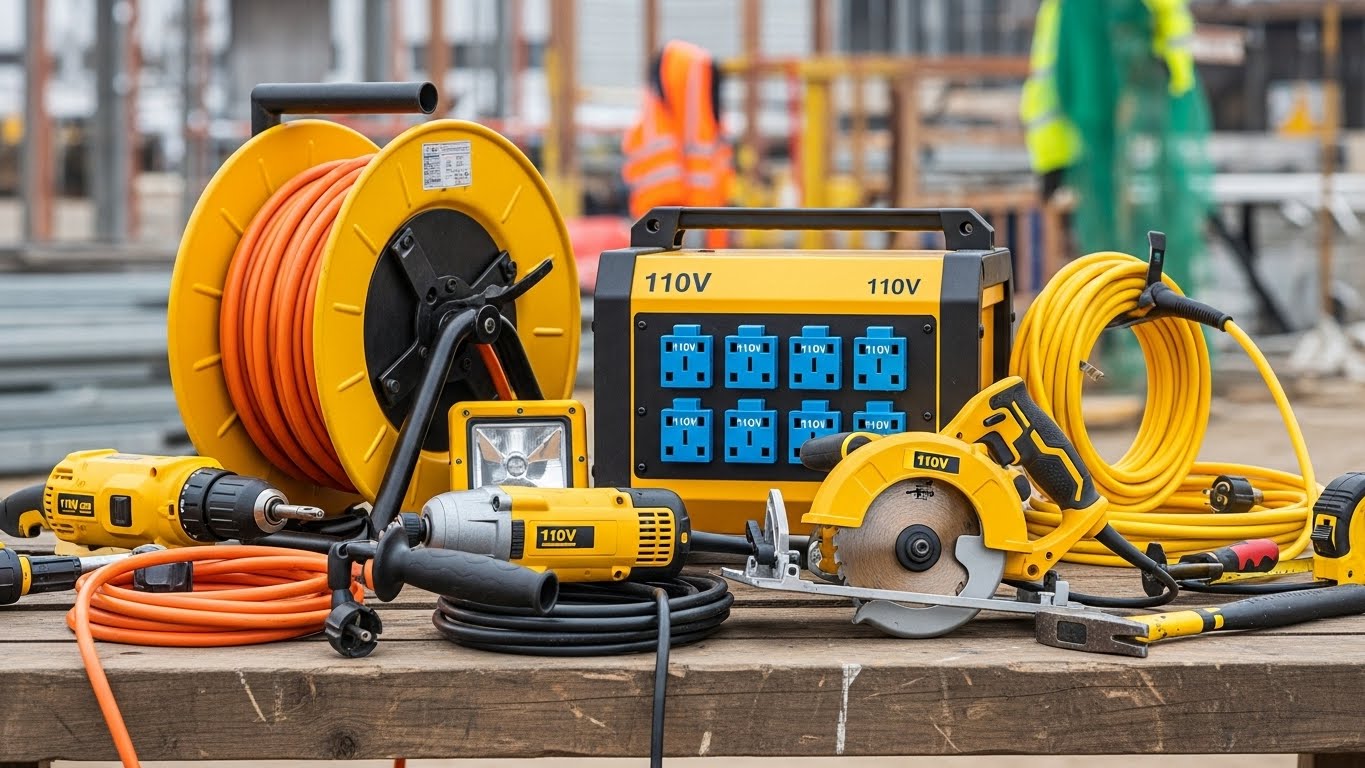
110V site power tools are the UK standard for construction sites. They reduce electric shock risk, support electrical safety UK compliance, and deliver reliable performance for power tools UK professionals rely on.
Used with the correct 110 volt site transformer, 110v extension leads, and 110v site lighting, they create safer and more efficient working environments.
Why 110V Site Power Tools Are Essential on UK Worksites
110V site power tools are designed specifically for temporary site use. They reduce risk, perform consistently, and are trusted across the site power tools UK market.
Key reasons professionals choose 110V:
- Lower voltage = reduced shock severity
- Safer operation in wet or outdoor conditions
- Designed for demanding site environments
- Widely supported by professional power tools UK suppliers
Electrical Safety UK Standards Explained
Electrical safety UK guidance strongly supports reduced low voltage systems on worksites. That’s why 110V centre-tapped power is widely used across UK construction.
Safety advantages include:
- Reduced risk compared to 230V
- Better protection in harsh environments
- Compatibility with RCD protection
- Alignment with HSE best practice
How 110V Site Transformers Power Safe Operations
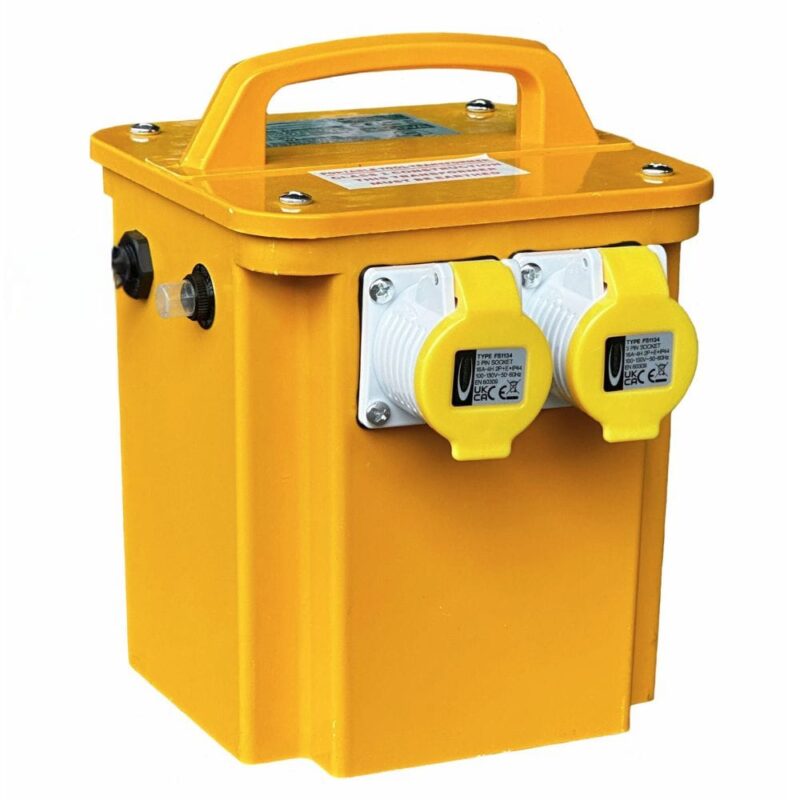
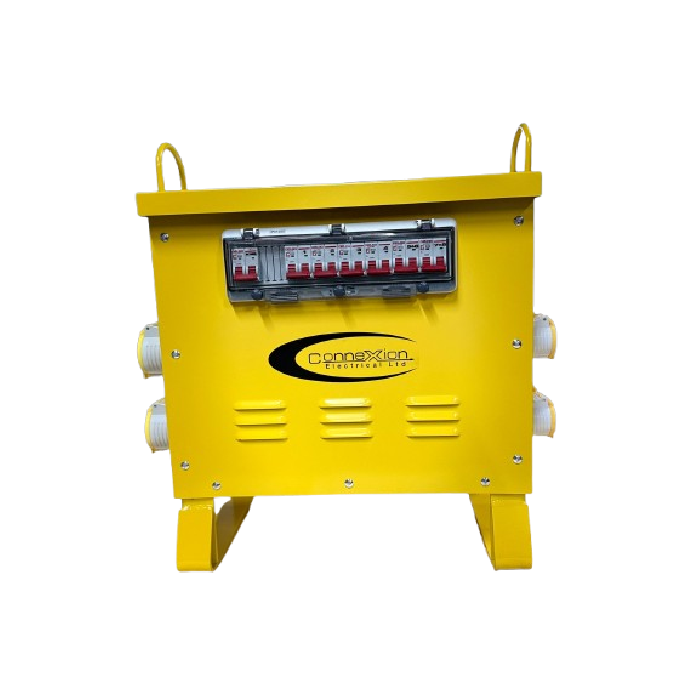
A reliable 110 volt site transformer is essential for safe site power. It converts mains electricity into a safer working voltage for tools and lighting.
Common transformer applications:
- 3.3 kva transformer units for hand tools and temporary lighting
- 10kva site transformer units for high-demand or multi-tool setups
Many contractors rely on equipment such as a 110V Site Transformer 3.3kVA 32amp IP44 for everyday use. Larger sites often operate with a 10kVA Single Phase Transformer 110V for consistent output.
Extension Leads & Cable Reels: Power Where You Need It
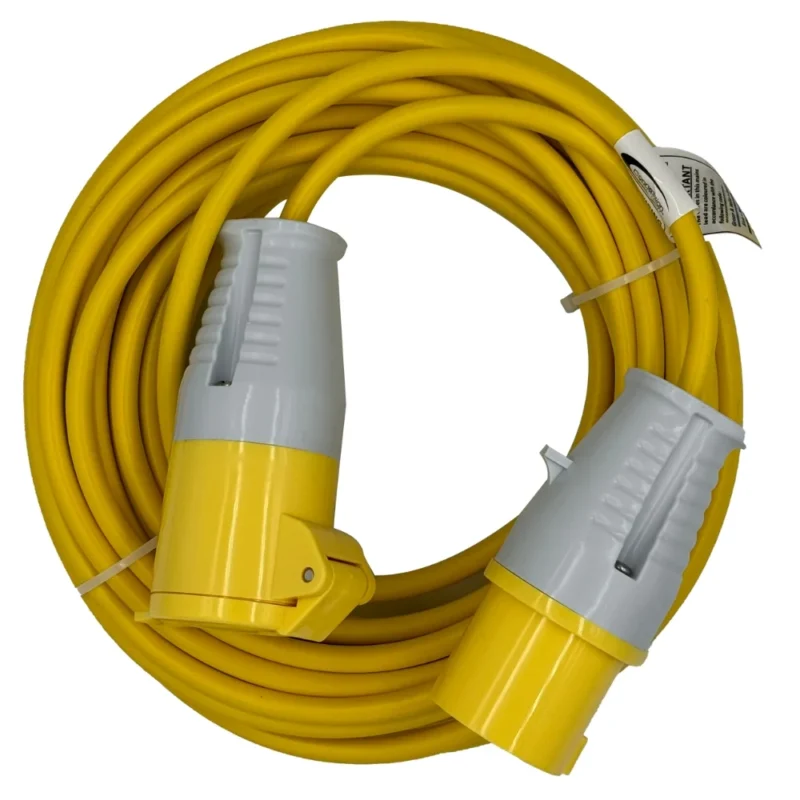
Power distribution must be safe, reliable, and flexible. That’s where quality 110 volt extension lead systems play a critical role.
Typical site setups include:
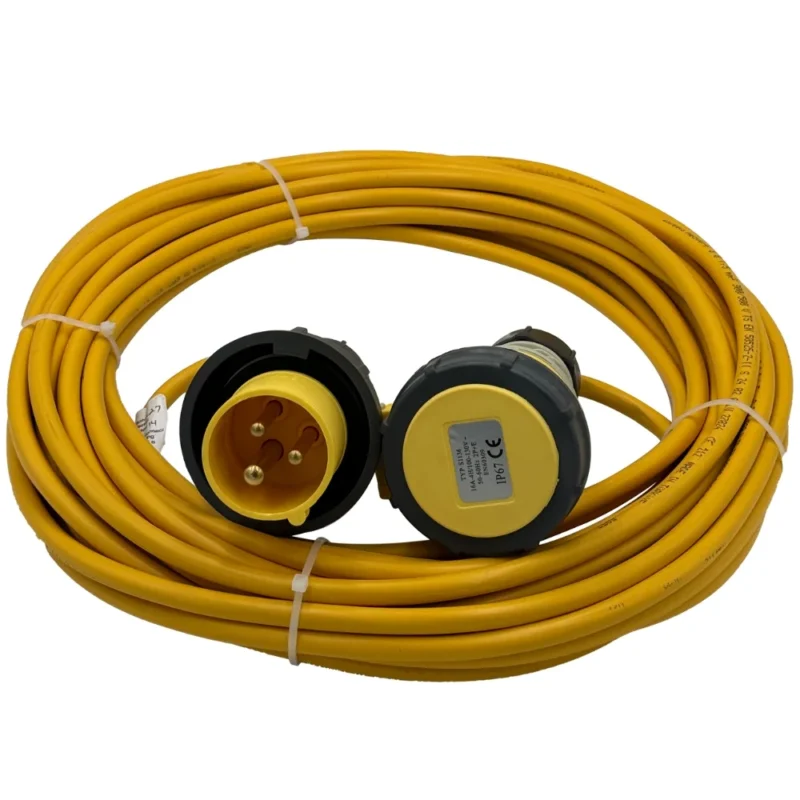
- Durable 110v extension leads for tools and lighting
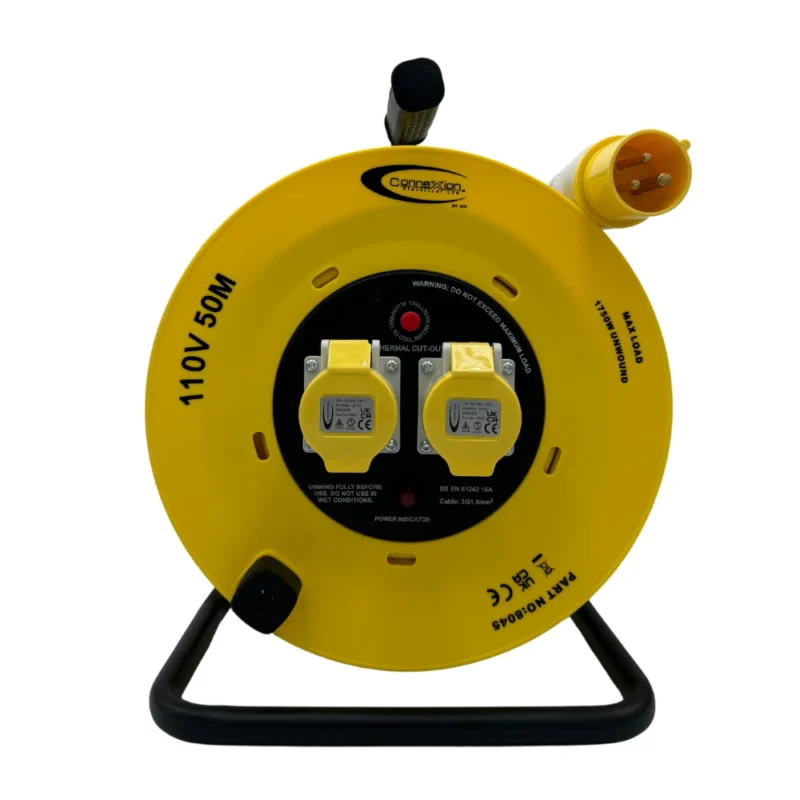
- Heavy-duty 110 volt cable reel solutions for long cable runs
For higher loads, contractors often use a 110V Extension Lead 25m 2.5mm Cable 32amp. In wet conditions, a 110V Extension Lead 14m 1.5mm Cable IP67 16amp is preferred. Large areas benefit from a 50m 110v extension lead mounted on a cable reel.
Site Lighting: Visibility, Productivity & Safety
Good lighting is essential for safe working conditions. It improves visibility, reduces accidents, and supports productivity.
Common types of 110 volt site lights include:
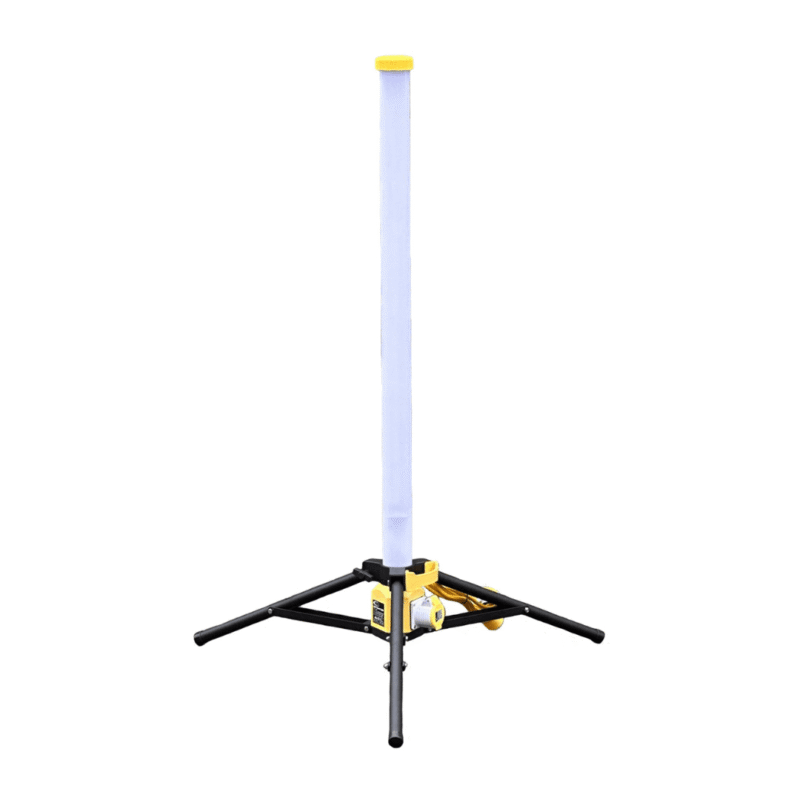
- 110V tripod site lights for wide-area coverage
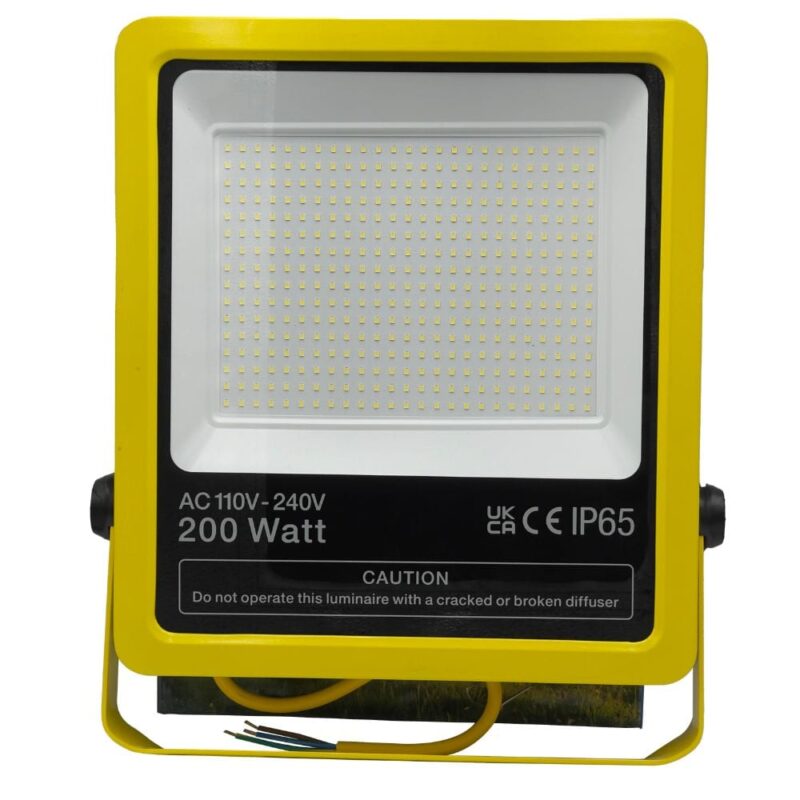
- Portable and fixed floodlights for task lighting
A 110V 40W LED Tripod Uplight is commonly used for flexible illumination. High-output areas often rely on a 110V LED Floodlight 200w 16amp 6500k IP65.
Comparison Table: 110V vs 230V Power on UK Sites
| Feature | 110V Site Power | 230V Mains Power |
| Electric shock risk | Significantly reduced | Higher risk |
| HSE recommendation | Preferred for sites | Limited site use |
| Wet environment safety | High | Lower |
| Compatibility with site tools | Excellent | Limited |
| Typical applications | Construction & industrial | Domestic & commercial |
Why Professionals Choose 110V Power Tools UK-Wide
110V systems are built for construction environments. They support safety, performance, and compliance.
When combined with:
- Certified 110v site transformers
- Properly rated extension leads
- Reliable cable reels
- Efficient 110 volt site lights
They form a complete and dependable site power solution for modern power tools UK professionals depend on.
FAQs
Are 110V site power tools mandatory in the UK?
No, but they are strongly recommended as best practice for temporary site power.
Can I run multiple tools from one transformer?
Yes, as long as the load does not exceed the transformer rating, such as a 3.3 kva transformer
or 10kva site transformer.
Are 110V extension leads safer than 230V?
Yes. Reduced voltage and heavier insulation significantly lower shock risk.
What IP rating should site lighting have?
At least IP44, with IP65 preferred for outdoor or wet conditions.