


What is kVA in a Transformer? Connexion Electrical Guide


A transformer’s kVA rating tells you how much apparent power it can safely handle. Knowing what kVA means helps you choose the correct transformer size, whether it’s a 3kVA transformer, 5kVA transformer, 10kVA transformer or a step-down transformer.
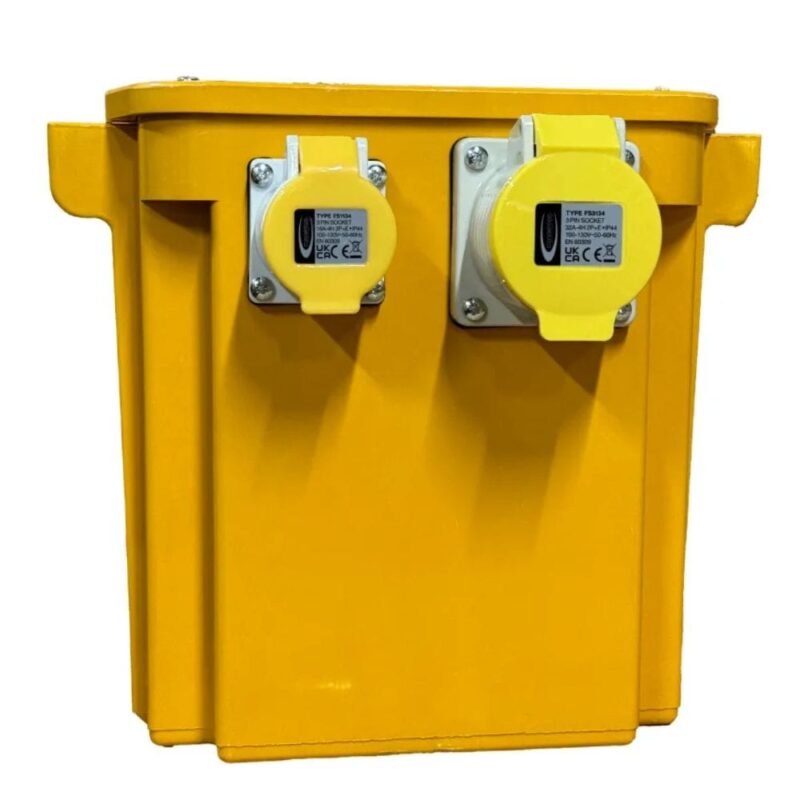
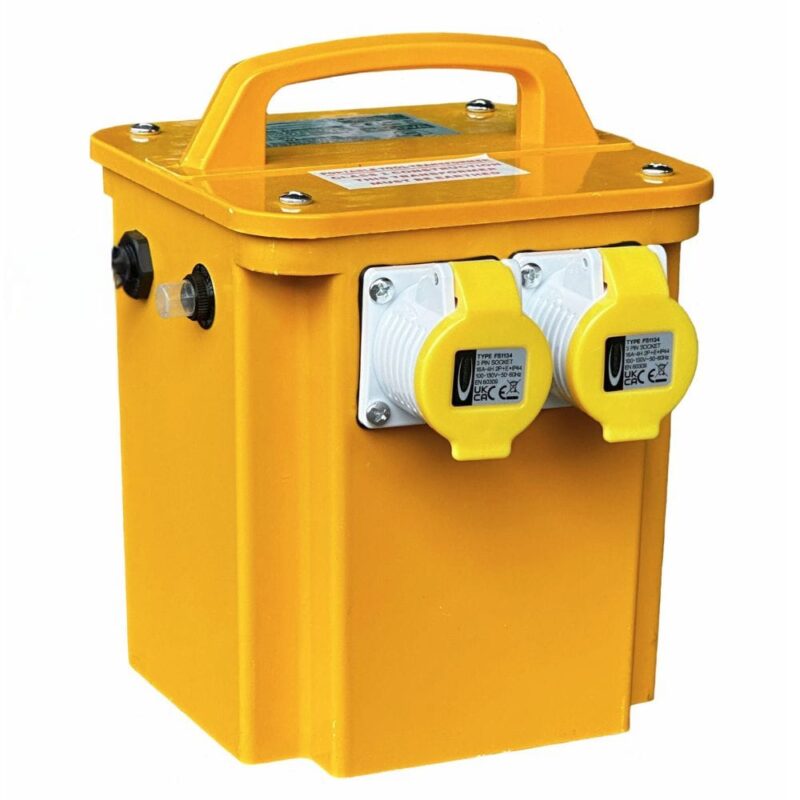
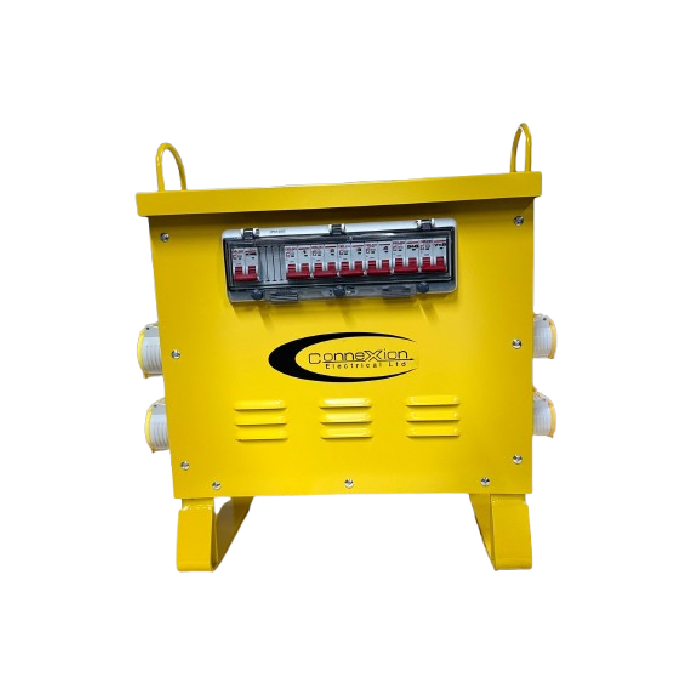
What is kVA in a Transformer
- kVA stands for kilovolt-amperes and represents voltage × current.
- Transformers use kVA instead of kW because heating losses depend on volts and amps, not on power factor.
- kVA remains accurate for all load types, including resistive, inductive and mixed loads.
Why the kVA Rating Matters
- Shows how much load the transformer can supply without overheating.
- Prevents voltage drop and performance issues.
- Ensures efficiency and long equipment life.
- A slightly higher kVA rating provides safe operating headroom.
How to Calculate the Right kVA for Your Transformer
Selecting the right transformer starts with a little math – but don’t worry, it’s simpler than it sounds.
- Add Up All Loads: Check the total wattage (W) of your connected devices.
- Convert to kW: Divide by 1000. (e.g., 2000W = 2kW)
- Adjust for Power Factor: Usually, power factor = 0.8.
- Apply Formula:
kVA = kW ÷ 0.8
Transformer Rating Table
| Transformer Rating | Typical Use | Notes |
| 3kVA transformer | Light tools, small loads | Best for single workstations or light-duty tasks |
| 5kVA transformer | Medium tools, small commercial loads | Good balance for moderate equipment |
| 10kVA transformer | Workshops and heavier machinery | Handles multiple devices at once |
| Step-down transformers | Lowering 230V/240V to 110V | kVA rating must match the total connected load |
Why Transformers Are Rated in kVA, Not kW
- Real power (kW) changes with power factor, but a transformer’s heating does not.
- Voltage and current determine losses, so kVA is the correct universal rating.
- kVA applies equally to both primary and secondary sides of the transformer.
Common Transformer kVA Problem and Solution
Problem
A workshop needs to run a drill (800W), a grinder (700W) and a small saw (600W) at the same time. The power factor is 0.8. The owner wants to know which transformer size to choose and whether a 3kVA transformer is enough.
Solution
Step 1: Add the total load
800W + 700W + 600W = 2100W = 2.1kW
Step 2: Convert kW to kVA
kVA required = kW ÷ Power Factor
kVA = 2.1 ÷ 0.8 = 2.625 kVA
Step 3: Select the correct transformer
A 3kVA transformer is the minimum safe size, but choosing a 5kVA transformer offers better headroom and reduces overload risk, especially if the workshop expands or tools start together (which creates inrush current).
Final Answer
The workshop should use a 5kVA transformer, not a 3kVA transformer, for safe and reliable operation.
FAQs About kVA in Transformers
Q1: What is kVA in transformer, in simple terms?
A: It’s the measure of how much electrical power a transformer can deliver without overheating.
Q2: Is higher kVA always better?
A: Slightly higher is fine, but too high wastes energy and cost.
Q3: How do I check my equipment load?
A: Look at each device’s wattage label or consult your electrician.
Q4: What’s the difference between kW and kVA?
A: kW measures real power (usable energy), while kVA measures apparent power (total energy supplied).