

Latest Weekly News
What Is A Low Voltage Transformer? Benefits And Importance

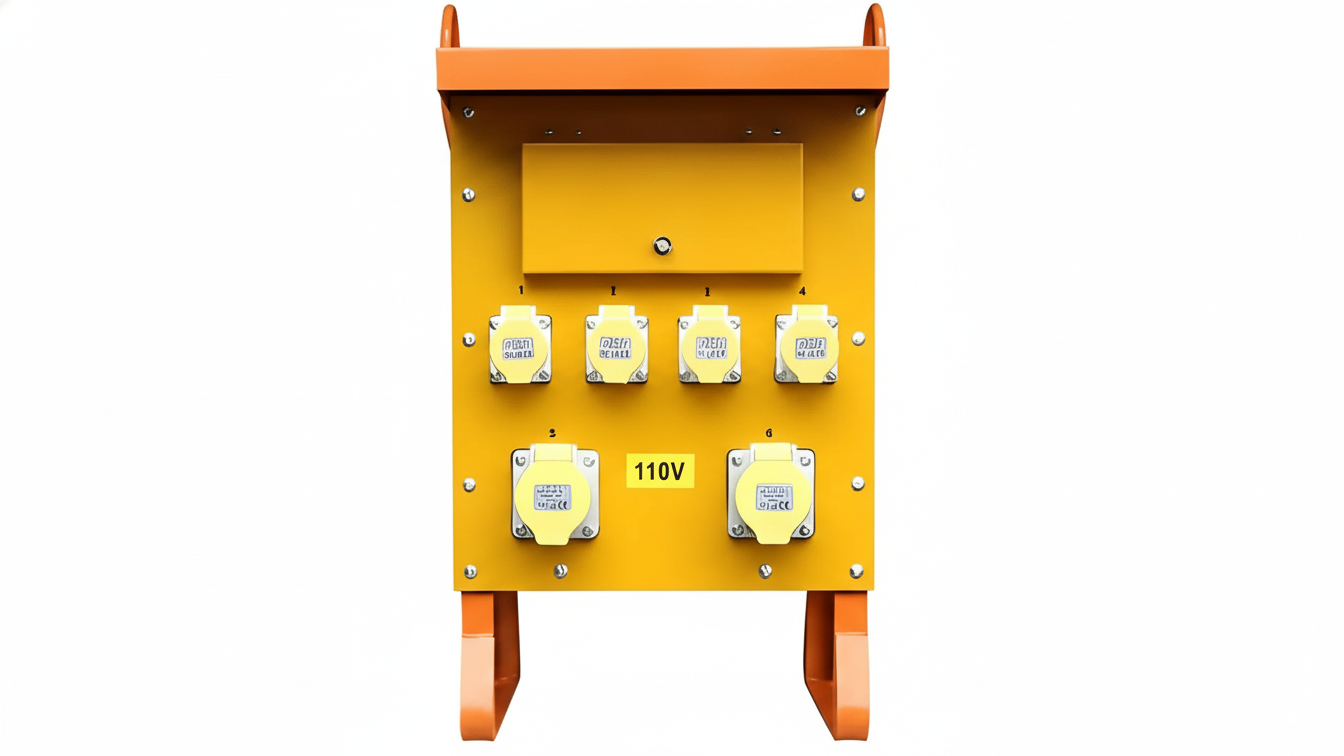
A Low Voltage Transformer is a device that reduces (“steps down”) high mains voltage (e.g. 230–240 V AC) into a safer, lower voltage (e.g. 12 V, 24 V, or 110 V) for use in lighting systems, outdoor lighting, tools, or site electrical setups.
Typical use-cases include:
- Low Voltage Lighting Systems – indoor or outdoor lights that require lower, safer voltage input.
- Outdoor Lighting Transformer setups – garden, pathways, landscape lights, or damp-location fixtures.
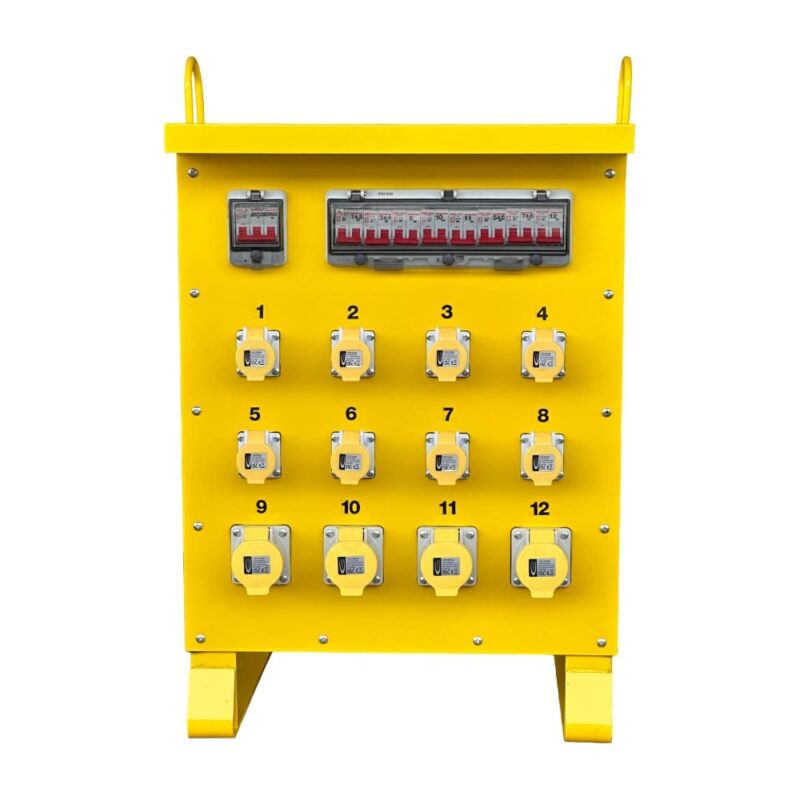
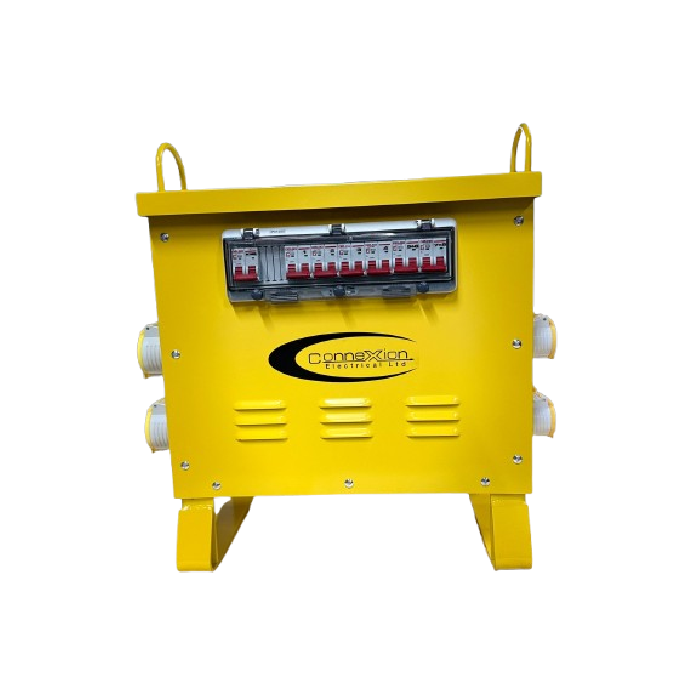
- Safe power supply for tools or temporary site needs via site transformers, e.g. 10KVA Site Transformer 110V Single Phase or 20kVA Site Transformer 110V Three Phase.
How It Works
- A low-voltage transformer uses electromagnetic induction: the high-voltage input feeds a primary coil, generating a magnetic field; the secondary coil picks up that field and outputs a lower voltage depending on the turns ratio.
- The “step-down ratio” (primary turns : secondary turns) determines output voltage (e.g. 230 V → 12 V/24 V/110 V).
- Low-voltage devices often draw less current, reducing risk of overheating, shock, or short-circuit when handled properly.
Key Benefits
Typical Types & Use Cases
- Low voltage lighting transformer – for garden lights, LED strips, landscape lighting (12–24 V)
- Outdoor lighting transformer – weather-proof units for patios, pathways, gardens.
- Site transformers (110 V) – heavy-duty power supply for tools, construction sites, or temporary installations: e.g. 10 KVA Single Phase, 20 kVA Three Phase.
Common Problem & Solution
Problem: Uneven brightness, dim lights at the far end of low-voltage lighting circuits (voltage drop), or transformer tripping/overheating when many lights or long wiring runs are connected.
Possible Cause:
- Excessive load (lights + fixtures exceed transformer capacity)
- Long wire runs causing voltage drop
- Loose/corroded connections or improper wiring
Solution:
- Calculate total wattage of all lights; choose a transformer with at least 20–25% more capacity than needed.
- Use appropriately thick gauge wire, especially for long runs, to minimize voltage drop.
- Distribute load evenly; if needed, divide into separate circuits or use multiple transformers.
- Ensure all connections are secure, terminals tightened; use weather-proof housing for outdoor transformers.
FAQs
1. What exactly does a low voltage transformer do?
It reduces high household voltage to a safer low voltage so your lights or tools can operate safely without risk of shocks or overheating.
2. Is a low voltage lighting transformer safe to use?
Yes. These transformers are designed to reduce shock risk and are commonly used in homes, gardens, and outdoor lighting systems.
3. Do I need a transformer for LED garden lights?
Most low voltage LED systems (12V or 24V) require a transformer to convert mains power to the correct voltage.
4. Can I connect multiple lights to one transformer?
Yes, as long as the total wattage does not exceed the transformer’s maximum capacity.
5. Are 110V transformers safer for construction sites?
Yes. 110V systems reduce electrical shock risks and meet safety regulations for construction and industrial environments.