

Latest Weekly News
Site Transformer Safety Regulations & BS EN Compliance Explained

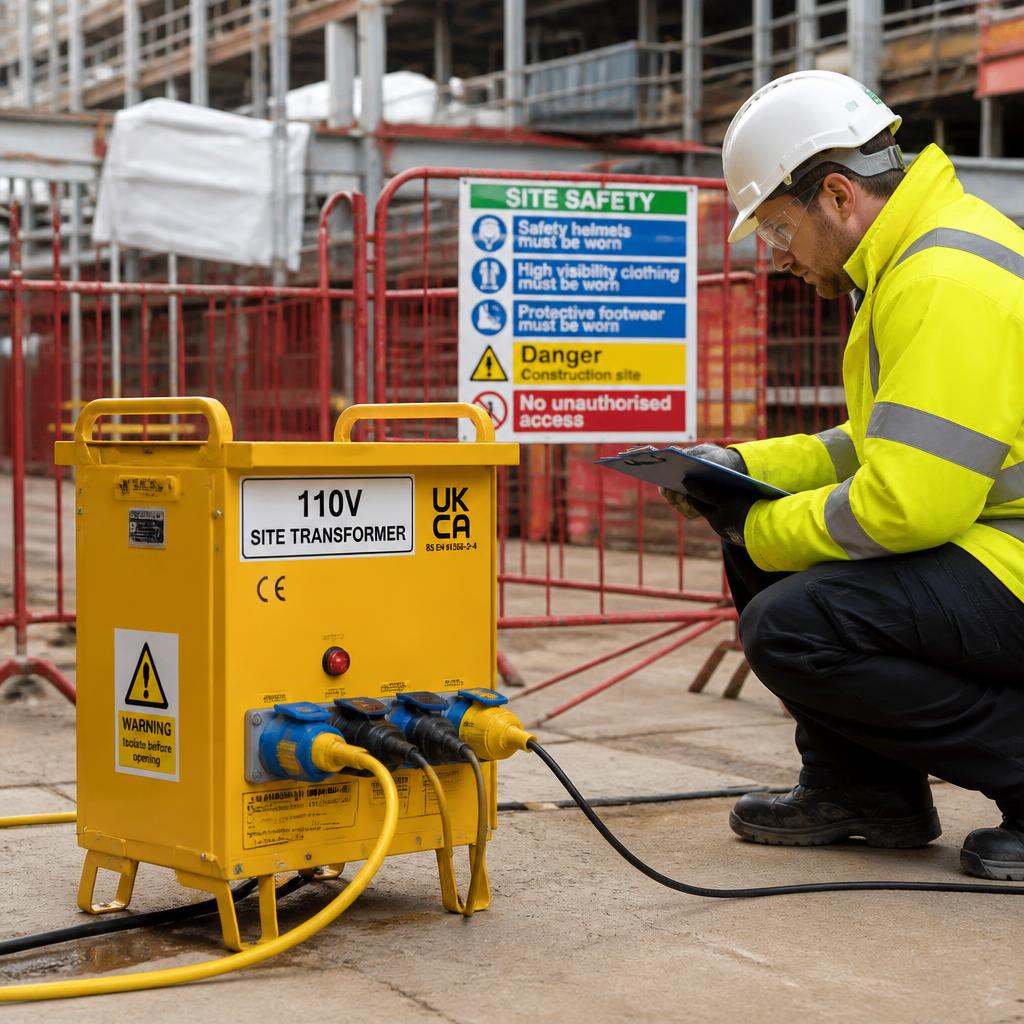
A site transformer is a piece of electrical equipment used on construction and industrial sites to convert high voltage mains electricity into a safer low voltage supply, usually 110V. In simple terms, it helps power tools safely in environments where electrical risks are much higher than in domestic settings.
Understanding site transformer regulations and BS EN transformer compliance is essential because these devices are used in high risk environments where safety mistakes can lead to serious injury, equipment damage, or legal issues. For contractors, compliance is not optional, it is a core requirement of safe site operation.
Why Safety Regulations Matter for Site Transformers
Construction sites involve constant movement, heavy machinery, and exposure to harsh conditions like water, dust, and impact. Because of this, electrical safety standards are strictly enforced.
Proper compliance ensures:
- Reduced risk of electric shock and fire hazards
- Safe operation of portable electrical equipment
- Legal compliance with UK construction rules
- Reliable performance under demanding site conditions
- Protection for both workers and equipment
This is why transformer safety UK standards are taken seriously across all professional sites.
What Happens When Safety Regulations Are Ignored
Failure to follow construction electrical regulations can lead to serious consequences:
- Increased risk of electrical accidents and injury
- Equipment failure due to unsafe voltage handling
- Legal penalties and failed site inspections
- Insurance complications after workplace incidents
- Unplanned downtime from unsafe or faulty systems
These problems often arise when cheaper or non compliant transformers are used without proper certification.
Understanding BS EN Transformer Compliance
The solution is to ensure all equipment meets BS EN transformer compliance standards before use on any site. These standards define how transformers must be designed, tested, and operated safely within the UK and Europe.
Key Elements of BS EN Compliance
To meet safety expectations, compliant transformers must include:
- Safe isolation between input and output circuits
- Thermal protection against overheating
- Durable casing suitable for construction environments
- Proper earthing and insulation standards
- Certified testing for load and safety performance
Why Compliance Matters on Construction Sites
Following site electrical safety standards ensures:
- Consistent protection for workers using electrical tools
- Reduced risk of equipment failure under load
- Standardised safety across all site operations
- Easier inspection and approval by regulatory bodies
Site Transformer Safety Regulations Comparison
| Area | Non Compliant Equipment | Basic Compliant Transformer | Fully BS EN Compliant Transformer |
| Safety Level | Low | Moderate | High |
| Certification | None or unclear | Partial compliance | Full BS EN certification |
| Risk of Failure | High | Medium | Low |
| Overload Protection | Often missing | Basic protection | Advanced thermal and circuit protection |
| Site Approval | May fail inspection | Conditional approval | Fully approved for professional use |
| Ideal Use | Not recommended | Light duty environments | Full construction and industrial sites |
Key UK Electrical Safety Requirements for Site Transformers
When working with site transformer regulations, contractors should ensure:
- Equipment is certified for UK construction use
- Transformers are regularly inspected and maintained
- Correct voltage systems (typically 110V) are used on sites
- Cables and connections meet safety standards
- RCD protection is used where required
These steps ensure alignment with construction electrical regulations and reduce operational risks.
Benefits of Following BS EN Transformer Compliance
Using compliant equipment provides long term advantages:
- Safer working environment for all site personnel
- Reduced risk of costly accidents or downtime
- Improved reliability of electrical systems
- Easier compliance during site audits and inspections
- Longer equipment lifespan due to proper safety design
For construction teams, compliance is not just a rule, it’s a practical safety advantage.
Conclusion
Understanding site transformer regulations and BS EN transformer compliance is essential for maintaining safe and legally compliant construction environments. By following transformer safety UK standards and adhering to construction electrical regulations, contractors can ensure reliable performance and reduce risk on site. Proper compliance with site electrical safety guidelines ultimately protects workers, improves efficiency, and supports safer, more professional construction operations.
FAQs
1. What is a site transformer?
A site transformer converts mains electricity into a safer low voltage supply, typically 110V, for construction and industrial use.
2. Why are site transformer safety regulations important?
They help prevent electrical accidents, equipment damage, and legal compliance issues on construction sites.
3. What is BS EN transformer compliance?
BS EN compliance refers to European and UK standards that ensure transformers meet specific safety and performance requirements.
4. Why must contractors use compliant site transformers?
Compliant transformers improve safety, support legal requirements, and help pass site inspections.
5. What risks arise from using non-compliant transformers?
They can increase the risk of electric shock, fire, equipment failure, and regulatory penalties.
6. What is safe isolation in a transformer?
Safe isolation separates the input and output circuits to reduce the risk of electrical hazards.
7. Why is thermal protection important in site transformers?
It helps prevent overheating by automatically responding to excessive temperatures.
8. How does durable transformer housing improve safety?
A rugged casing protects internal components from impacts, dust, moisture, and harsh site conditions.
9. What role does proper earthing play in transformer safety?
Proper earthing helps prevent electrical faults and reduces the risk of electric shock.
10. Why is certified testing important for transformers?
Testing verifies that the transformer can safely handle loads and operate within safety standards.
11. What are the benefits of following site electrical safety standards?
They improve worker protection, reduce equipment failures, and support consistent site operations.
12. Why are regular transformer inspections necessary?
Routine inspections help identify wear, damage, and safety issues before they become serious problems.
13. What voltage is commonly used on UK construction sites?
A 110V supply is commonly used because it offers a safer alternative to standard mains voltage.
14. When should RCD protection be used with site transformers?
RCD protection should be used where required to provide additional protection against electrical faults.
15. What are the advantages of using fully BS EN compliant transformers?
They offer higher safety standards, improved reliability, easier regulatory approval, and reduced operational risk.