

Latest Weekly News
110V vs 240V Cable Reels: Which Do You Need for Your Site?

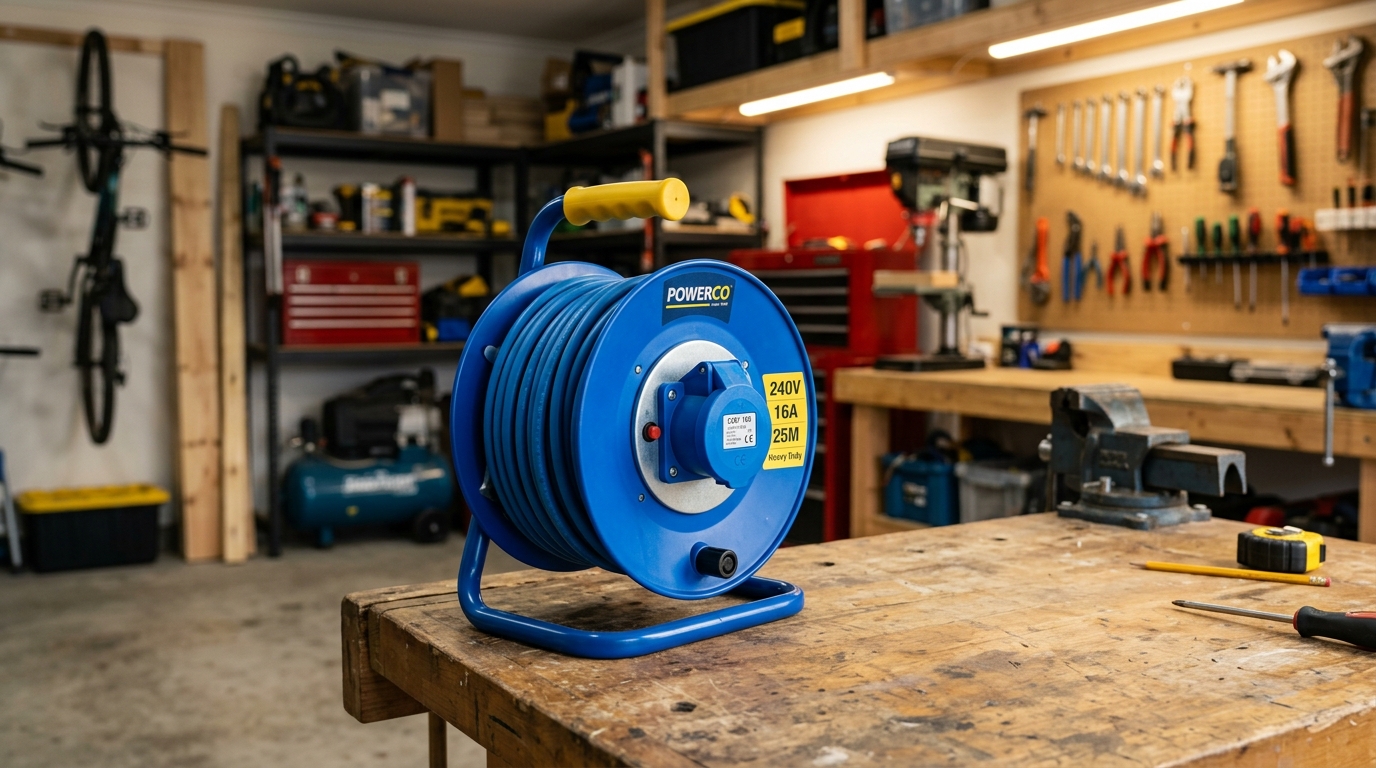
Choosing between 110v vs 240v cable reels is one of the most important decisions when setting up temporary power on a worksite. In simple terms, a cable reel is a portable extension system that delivers electricity across distances, but the voltage it carries determines how safe, powerful, and suitable it is for different environments.
Understanding the difference isn’t just technical, it directly affects worker safety, equipment performance, and compliance on UK construction sites. The right choice can prevent accidents, reduce downtime, and ensure tools run efficiently throughout the day.
What Are 110V and 240V Cable Reels?
110V Cable Reels
110V cable reels are commonly used on construction and industrial sites in the UK. They are designed specifically for safer temporary power distribution.
- Lower voltage reduces risk of severe electric shock
- Typically used with a centre tapped transformer (55-0-55V system)
- Standard choice for site cable reels UK environments
- Ideal for heavy duty tools like drills, saws, and mixers
https://connexionelectrical.co.uk/product-category/cable-reels/110v-cable-reels
240V Cable Reels
240V cable reels are standard domestic voltage systems and are often used in offices, homes, and light-duty environments.
- Higher voltage and more powerful output
- Suitable for appliances and lighter electrical tools
- More efficient for energy demanding devices
- Requires stricter safety handling on worksites
https://connexionelectrical.co.uk/product-category/cable-reels/240v-cable-reels
Choosing the Wrong Cable Reel for Your Site
Many site operators and workers struggle with selecting the correct reel, leading to several common issues:
- Using 240V systems in high-risk construction areas increases shock hazards
- Underpowered tools when using inappropriate extensions
- Non-compliance with construction electrical safety 110v site power standards
- Frequent equipment tripping or overheating
- Delays due to incompatible power setups
The confusion between systems often comes from assuming “more voltage = better,” which is not always true in site conditions.
Matching Voltage to Site Requirements
The solution is simple but critical: match the cable reel to the working environment.
- Use 110V cable reels for construction, demolition, and outdoor industrial sites
- Use 240V cable reels for indoor, low risk, or controlled environments
- Always check transformer compatibility before connecting equipment
- Follow UK site safety guidelines and tool manufacturer recommendations
- Prioritise safety certified equipment designed for heavy duty use
This approach ensures both safety and performance without unnecessary risk or power loss.
110V vs 240V Cable Reels Comparison
| Feature | 110V Cable Reels | 240V Cable Reels |
| Voltage | 110V (centre tapped safety system) | 240V standard mains voltage |
| Safety Level | Higher safety for construction use | Higher risk in exposed environments |
| Common Use | Construction sites, industrial work | Homes, offices, light commercial use |
| Power Output | Moderate but safe for tools | Higher power for appliances |
| Cable Reel Comparison Focus | Safety and durability | Efficiency and convenience |
| UK Site Suitability | Highly recommended | Limited use on sites |
| Risk of Electric Shock | Lower | Higher |
Which One Do You Need for Your Site?
If your work involves outdoor environments, heavy tools, or unpredictable conditions, 110V cable reels are almost always the correct choice. They are specifically designed for UK construction standards and reduce risk significantly.
On the other hand, 240V cable reels are better suited for controlled indoor environments where safety risks are minimal and higher efficiency is needed.
When deciding, always consider:
- Location of work (indoor vs outdoor)
- Type of equipment being used
- Duration and intensity of usage
- Compliance requirements on site
Safety Considerations for Site Power
When working with temporary electrical systems, construction electrical safety 110v site power guidelines are essential. Some key safety practices include:
- Regular inspection of cables for wear and damage
- Avoiding overload of extension reels
- Keeping connections dry and elevated from ground water
- Using residual current devices (RCDs) where required
- Ensuring proper training for all site workers handling equipment
Safety should always take priority over convenience when dealing with temporary electrical setups.
Conclusion
Understanding the difference between 110v vs 240v cable reels is essential for anyone working with temporary power systems. While 240V offers higher efficiency for general use, 110V systems are the safer and more reliable choice for construction and industrial sites in the UK. By matching the right reel to the right environment, you improve safety, reduce risks, and ensure smooth on-site operations without unnecessary disruptions.
FAQs
What is the main difference between 110V and 240V cable reels?
110V reels use reduced voltage for safer site power, while 240V reels use standard mains voltage for general applications.
Why are 110V cable reels commonly used on UK construction sites?
They reduce the risk of severe electric shock and comply with common construction site safety practices.
What is a centre-tapped 110V system?
It uses a 55-0-55V configuration through a transformer to provide safer power distribution on worksites.
Where are 240V cable reels typically used?
They are commonly used in homes, offices, workshops, and other controlled indoor environments.
Are 240V cable reels more powerful than 110V reels?
Yes, 240V systems can deliver higher power output, making them suitable for energy-demanding appliances.
Which cable reel is safer for outdoor construction work?
110V cable reels are generally safer because they are designed for harsh and high-risk site conditions.
What risks can occur if the wrong cable reel is used?
It can lead to shock hazards, equipment incompatibility, overheating, and potential site safety violations.
Can 240V cable reels be used on construction sites?
They can be used in limited situations, but 110V systems are usually preferred for safety reasons.
What types of tools commonly use 110V cable reels?
Heavy duty site tools such as drills, saws, mixers, and other construction equipment.
How do I choose between a 110V and 240V cable reel?
Consider the work environment, equipment requirements, safety risks, and site compliance standards.
Why is transformer compatibility important with 110V systems?
The correct transformer ensures safe operation and proper power delivery to connected equipment.
What causes equipment tripping or overheating on site?
Incorrect voltage selection, overloaded reels, or incompatible power setups can cause these issues.
What safety checks should be carried out on cable reels?
Inspect cables regularly, check for damage, and ensure plugs and connections remain secure and dry.
Should cable reel connections be kept off the ground?
Yes, elevating connections helps protect them from water, dirt, and potential electrical hazards.
Which cable reel is best for most UK construction projects?
A 110V cable reel is typically the best choice due to its safety advantages and suitability for site conditions.