

Latest Weekly News
110V Site Transformer Buying Guide for Construction Sites

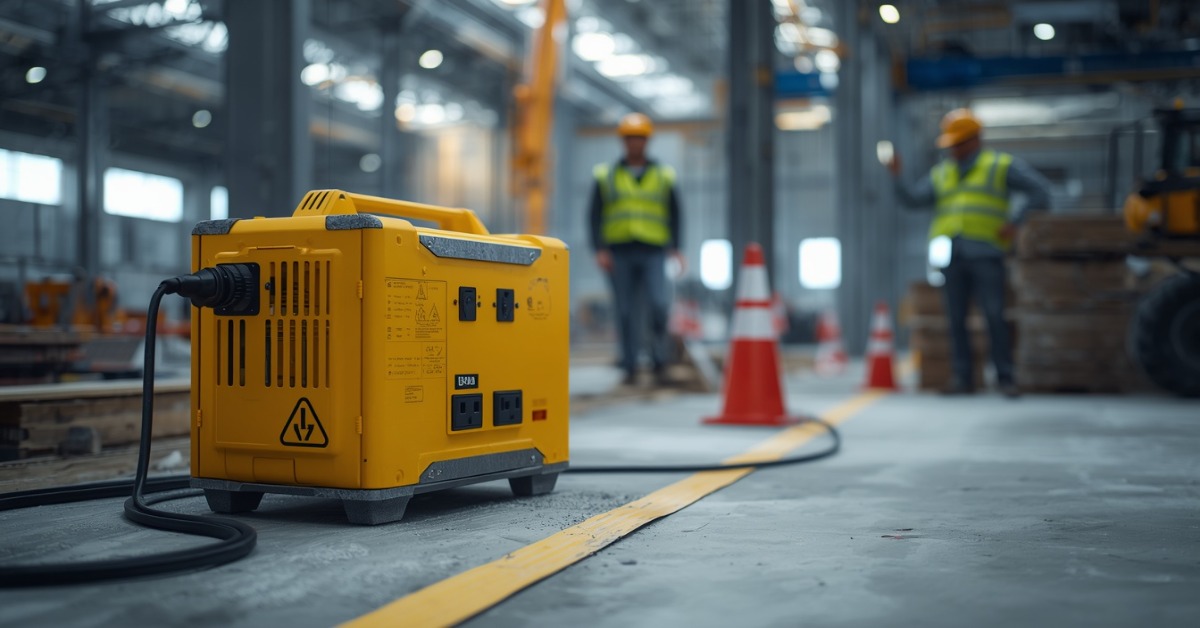
A 110V site transformer is a portable electrical device that converts standard 240V mains power into a safer 110V supply, which is commonly used on construction sites. In simple terms, it allows heavy duty tools and equipment to run safely in environments where electrical risks are higher.
For construction professionals, choosing the right transformer is essential. A reliable construction site transformer not only powers tools efficiently but also significantly reduces the risk of electric shock and equipment failure on busy job sites. That’s why understanding how to select the right unit is crucial before purchasing.
Why Site Transformers Are Essential on Construction Sites
Construction environments are unpredictable, often exposed to water, dust, and constant movement. Using standard mains power directly can be unsafe.
A properly selected portable site transformer helps by:
- Lowering voltage to a safer 110V level
- Reducing risk of electrical accidents
- Supporting heavy duty tools like drills and saws
- Ensuring compliance with UK site safety standards
- Providing stable and reliable temporary power
This makes a site transformer UK essential equipment for any professional contractor or site manager.
Common Issues with Poor Transformer Selection
Many construction sites experience avoidable problems due to incorrect or low-quality transformer use:
- Overloaded transformers causing power failure
- Incompatible voltage leading to damaged tools
- Overheating during long working hours
- Poor portability making site movement difficult
- Lack of safety features increasing risk of accidents
These issues often result in downtime, costly repairs, and serious safety hazards.
How to Choose the Right 110V Site Transformer
The solution lies in selecting a transformer that matches the demands of your construction environment. A structured approach helps ensure safety and long term reliability.
1. Determine Power Requirements
Check the total wattage of the tools you plan to run to ensure the transformer can handle the load.
2. Choose the Right Power Rating
Select a unit with enough capacity to support peak usage without overheating.
3. Prioritise Portability
A good portable site transformer should be easy to carry, transport, and position around the site.
4. Look for Built-In Safety Features
Reliable transformers often include:
- Thermal overload protection
- Circuit breakers
- IP rated enclosures for dust and water resistance
5. Ensure Compliance with UK Standards
Always choose equipment designed for UK regulations to maintain construction site transformer safety compliance.
110V Site Transformer Comparison Guide
| Feature | Basic Transformer | Standard Site Transformer | Heavy-Duty Construction Transformer |
| Usage Type | Light duty tasks | General construction use | Heavy industrial use |
| Power Capacity | Low | Medium | High |
| Portability | Moderate | Good | High with reinforced handle/frame |
| Safety Features | Basic protection | Overload protection | Advanced thermal & circuit protection |
| Durability | Low | Medium | High, site grade casing |
| Ideal Environment | Indoor/light use | General site work | Demanding construction sites |
Key Features to Look For in a Site Transformer UK
When selecting a site transformer UK model, focus on features that ensure safe and efficient operation:
- High capacity power output suitable for multiple tools
- Rugged, impact resistant housing
- Efficient cooling system for continuous use
- Multiple output sockets for flexibility
- Certified safety compliance for construction environments
These features ensure the transformer performs reliably under demanding site conditions.
Benefits of Using the Right Construction Site Transformer
Choosing the correct transformer provides long-term advantages:
- Safer working environment with reduced electrical risks
- Improved tool performance and reliability
- Reduced downtime from power issues
- Longer lifespan for connected equipment
- Better compliance with UK construction safety rules
For contractors, these benefits translate directly into smoother project execution.
Conclusion
Understanding how to choose a 110V site transformer is essential for maintaining safety and efficiency on construction sites. By evaluating power needs, safety features, and portability, users can select the right construction site transformer for their work environment. A well chosen portable site transformer ensures reliable power delivery, reduces risk, and supports consistent performance across all site operations.
FAQs:
1. What is a 110V site transformer?
A 110V site transformer converts 240V mains electricity into a safer 110V supply for construction tools and equipment.
2. Why are 110V transformers used on construction sites?
They reduce the risk of electric shock and provide safer temporary power in demanding environments.
3. What types of tools can be powered by a 110V site transformer?
They commonly power drills, saws, mixers, lighting systems, and other construction equipment.
4. Why is choosing the right site transformer important?
The correct transformer improves safety, ensures reliable power delivery, and prevents equipment damage.
5. What problems can result from using an unsuitable transformer?
Issues may include overheating, overloads, tool damage, power failures, and increased safety risks.
6. How do I determine the correct transformer size?
Calculate the total wattage of all connected tools and choose a transformer with adequate capacity.
7. Why is power rating important when selecting a transformer?
A suitable power rating ensures the transformer can handle peak loads without overheating.
8. What makes a transformer portable?
Portable transformers are compact, easy to carry, and often feature handles or reinforced frames.
9. What safety features should a site transformer include?
Look for thermal overload protection, circuit breakers, and dust or water resistant enclosures.
10. What is thermal overload protection?
It automatically cuts power when excessive heat is detected, helping prevent damage and hazards.
11. Why is an IP rated enclosure beneficial?
It helps protect the transformer from dust, moisture, and harsh site conditions.
12. Can a site transformer power multiple tools at once?
Yes, provided its power capacity is sufficient for the combined load of all connected tools.
13. What features indicate a heavy duty construction transformer?
High power output, reinforced housing, advanced safety systems, and durable site grade construction.
14. How does the right transformer improve project efficiency?
It minimizes downtime, delivers stable power, and helps tools operate at their intended performance.
15. What should contractors consider before buying a 110V site transformer?
They should assess power requirements, portability, safety features, durability, and compliance with UK standards.