

Latest Weekly News
Best Heavy Duty Extension Leads for Construction Sites UK

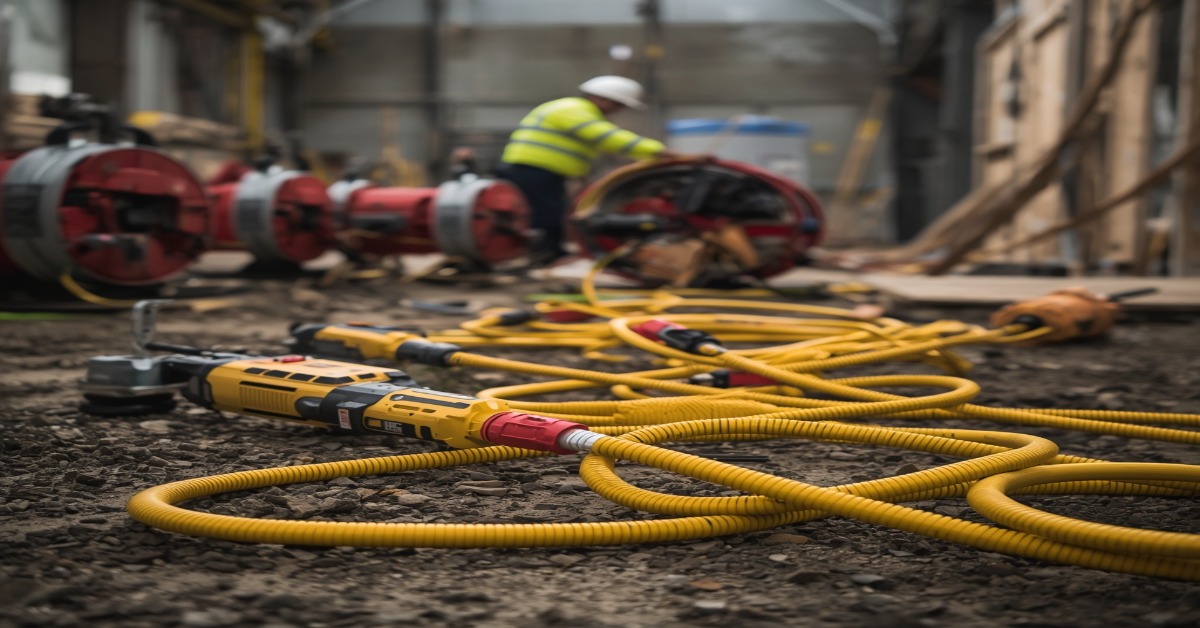
A heavy duty extension lead is a reinforced electrical cable designed to safely deliver power across long distances in demanding environments like construction sites, workshops, and industrial areas. In simple terms, it lets workers connect tools to a power source even when they are far away from a socket.
On UK construction sites, choosing the right extension lead is not just about convenience, it directly affects safety, efficiency, and equipment performance. That’s why understanding heavy duty extension leads options is essential for contractors, site managers, and tradespeople.
Why Heavy Duty Extension Leads Matter on Construction Sites
Construction environments are tough on electrical equipment. Cables are dragged, exposed to weather, and used with high-powered tools throughout the day.
Using proper construction extension leads helps ensure:
- Safe and stable power delivery across large sites
- Reduced risk of cable damage and electrical faults
- Better organisation of work areas
- Improved tool performance under heavy load
- Compliance with UK site safety standards
This makes them a key part of any reliable industrial extension leads setup.
Common Issues on Site with Poor Quality Leads
Many construction sites face ongoing problems caused by low grade or unsuitable extension leads:
- Overheating when used with high powered tools
- Cables splitting or cracking due to harsh site conditions
- Frequent power cuts or tripping circuits
- Unsafe trailing cables creating trip hazards
- Reduced efficiency due to limited cable reach
These issues often result in delays, safety risks, and higher replacement costs.
How to Choose the Right Heavy Duty Extension Lead
The solution is to select extension leads specifically designed for demanding site environments. A well chosen product improves both safety and productivity.
1. Check Cable Rating and Load Capacity
Ensure the lead can handle the total power demand of your tools without overheating.
2. Choose Reinforced Construction Materials
High quality contractor extension leads use durable insulation and tough outer casing designed for rough handling.
3. Prioritise Safety Features
Reliable leads often include:
- Thermal protection
- RCD compatibility
- Heavy duty plug and socket protection
4. Match Length to Site Requirements
Longer leads offer flexibility, but must maintain safe voltage delivery across distance.
5. Consider Weather Resistance
Outdoor construction environments require water-resistant and dust-protected designs.
Heavy Duty Extension Leads UK Comparison
| Feature | Standard Extension Lead | Heavy Duty Extension Lead | Industrial Extension Lead |
| Usage | Home/light use | General construction use | Heavy industrial sites |
| Durability | Low | High | Very high |
| Cable Thickness | Thin insulation | Reinforced insulation | Industrial grade insulation |
| Load Capacity | Limited | Medium-high | High continuous load |
| Safety Features | Basic | Improved protection | Advanced safety systems |
| Ideal Environment | Indoor use | Construction sites | Industrial & heavy duty sites |
Key Features of Quality Construction Extension Leads
When selecting construction extension leads, focus on features that ensure long term reliability:
- Thick, oil resistant cable insulation
- Strong plug and socket housing
- High visibility cable for site safety
- Flexibility for easy handling in tight spaces
- Compliance with UK electrical safety standards
These features are essential for demanding site conditions.
Benefits of Using Proper Site Extension Leads
Investing in high quality site extension leads offers several advantages:
- Safer working environments with reduced hazards
- Fewer interruptions from electrical failures
- Improved performance of power tools
- Longer lifespan of equipment and cables
- Better organisation across busy work sites
For contractors, these benefits directly improve productivity and reduce operational costs.
Conclusion
Choosing the best heavy duty extension leads options is essential for maintaining safe and efficient construction site operations. By selecting durable and well designed construction extension leads, contractors can avoid common electrical issues and ensure consistent performance. Whether used as site extension leads, contractor extension leads, or industrial extension leads, the right choice leads to safer workplaces and more reliable power delivery across all job sites.
FAQs
1. What is a heavy duty extension lead?
A heavy duty extension lead is a reinforced electrical cable designed to safely supply power in demanding environments.
2. Why are heavy duty extension leads important on construction sites?
They provide reliable power, improve safety, and withstand harsh site conditions better than standard leads.
3. Where are heavy duty extension leads commonly used?
They are used on construction sites, industrial facilities, workshops, and outdoor work areas.
4. What problems can occur with low quality extension leads?
Common issues include overheating, cable damage, power interruptions, and increased safety risks.
5. How do heavy duty extension leads improve site safety?
They reduce electrical hazards, support stable power delivery, and often include enhanced protection features.
6. Why is load capacity important when choosing an extension lead?
The lead must safely handle the power demand of connected tools to prevent overheating and overloads.
7. What type of insulation is best for construction extension leads?
Thick, reinforced, and oil resistant insulation is ideal for demanding construction environments.
8. What safety features should contractor extension leads include?
Look for thermal protection, RCD compatibility, and durable plug and socket protection.
9. What is the benefit of thermal protection?
It helps prevent overheating by interrupting power when unsafe temperatures are detected.
10. Why does cable length matter on construction sites?
Longer cables provide greater reach but must maintain safe and efficient power delivery.
11. Are weather-resistant extension leads important for outdoor work?
Yes, they help protect against moisture, dust, and environmental damage.
12. What is the advantage of high visibility cables?
Brightly colored cables are easier to spot, helping reduce trip hazards and site accidents.
13. How do industrial extension leads differ from standard extension leads?
They offer greater durability, higher load capacity, stronger insulation, and advanced safety features.
14. What should contractors consider before buying an extension lead?
They should assess load capacity, cable length, durability, safety features, and environmental conditions.
15. What are the benefits of investing in quality site extension leads?
They improve safety, reduce downtime, extend equipment life, and support more efficient site operations.