
How to Choose the Right LED Site Lighting Supplier in the UK

Construction sites, industrial facilities, and outdoor work areas need reliable illumination. Poor lighting causes accidents, delays projects, and increases costs. In this comprehensive guide, we’ll explain how partnering with the right LED site lighting supplier in the UK can transform your workspace safety and efficiency.
Why Quality Site Lighting Matters for UK Businesses
Site lighting isn’t just about visibility. According to HSE (Health and Safety Executive) regulations, inadequate lighting contributes to over 3,000 workplace injuries annually in the UK. Construction sites, warehouses, and outdoor events require proper illumination to meet safety standards and maintain productivity during shorter winter daylight hours.
British weather presents unique challenges. Rain, fog, and long winter nights mean UK businesses need robust lighting solutions that perform consistently. Traditional lighting systems consume excessive energy and require frequent maintenance, cutting into project budgets and timelines.
What Makes LED Site Lighting the Best Choice?
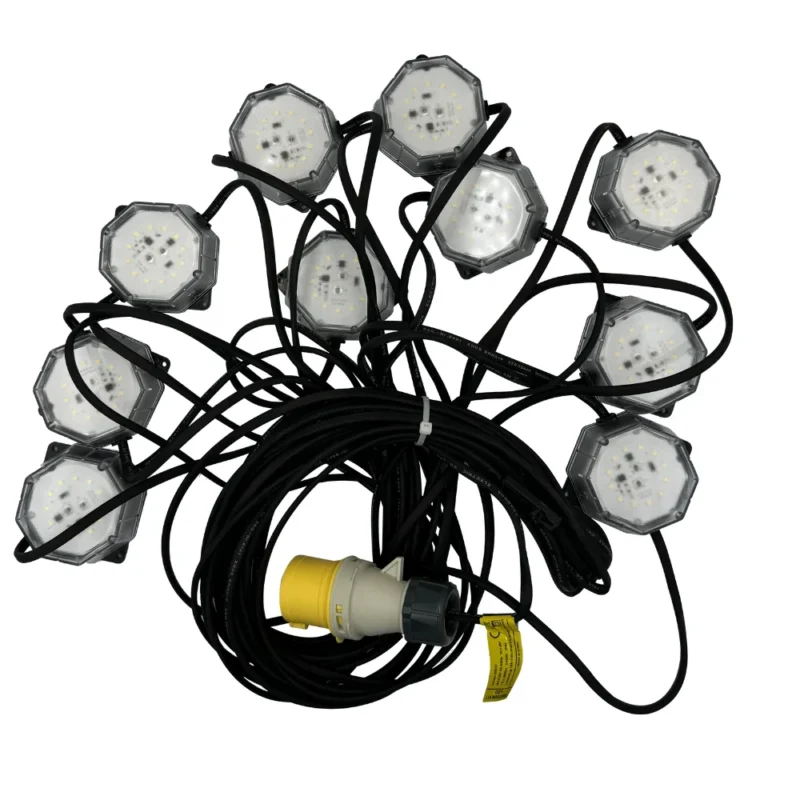
LED (Light Emitting Diode) site lighting represents the modern standard for temporary and permanent outdoor illumination. Unlike conventional bulbs, LEDs convert 95% of energy into light rather than heat, delivering superior performance with minimal waste.
Core Features of Professional LED Site Lighting:
LED systems provide instant full brightness without warm-up time. They withstand vibrations, impacts, and extreme temperatures from -40°C to +50°C. Quality LED fixtures offer IP65 or IP66 ratings, ensuring complete protection against dust and powerful water jets common on UK construction sites.
The technology delivers consistent colour temperature between 4000K-6500K, replicating natural daylight. This reduces eye strain for workers during extended shifts and improves safety by making hazards more visible.
Key Benefits of LED Site Lighting Solutions
Energy Efficiency and Cost Savings
LED site lights consume 70-80% less electricity than halogen alternatives. A typical 50W LED floodlight replaces a 500W halogen unit while delivering equivalent or superior brightness. For a mid-sized construction project running 20 lights for 10 hours daily, switching to LED saves approximately £15,000 annually on electricity costs.
Lower power consumption also reduces generator fuel requirements on remote sites, cutting both expenses and carbon emissions.
Durability and Longevity
Professional LED site lighting systems last 50,000+ hours compared to 2,000 hours for halogen bulbs. This translates to 5-7 years of continuous operation versus just 3-4 months. Fewer replacements mean reduced maintenance costs, less downtime, and lower waste disposal expenses.
Robust construction with reinforced housings and shatterproof lenses ensures equipment survives harsh site conditions, dropped tools, and accidental impacts.
Enhanced Safety and Productivity
Bright, consistent illumination improves hazard identification by 60% according to construction safety studies. Workers complete tasks faster with better visibility, reducing project timelines by 15-20% on average.
LED lighting eliminates the flickering and colour distortion common with older technologies. This reduces headaches, improves concentration, and minimizes accidents caused by visual fatigue.
Environmental Compliance
LED systems contain no mercury or hazardous materials, unlike metal halide or fluorescent alternatives. They’re fully recyclable and help businesses meet UK environmental regulations and sustainability targets. Reduced energy consumption lowers carbon footprints, supporting corporate ESG goals.
LED Site Lighting vs. Traditional Halogen Lights
Understanding the differences helps businesses make informed purchasing decisions:
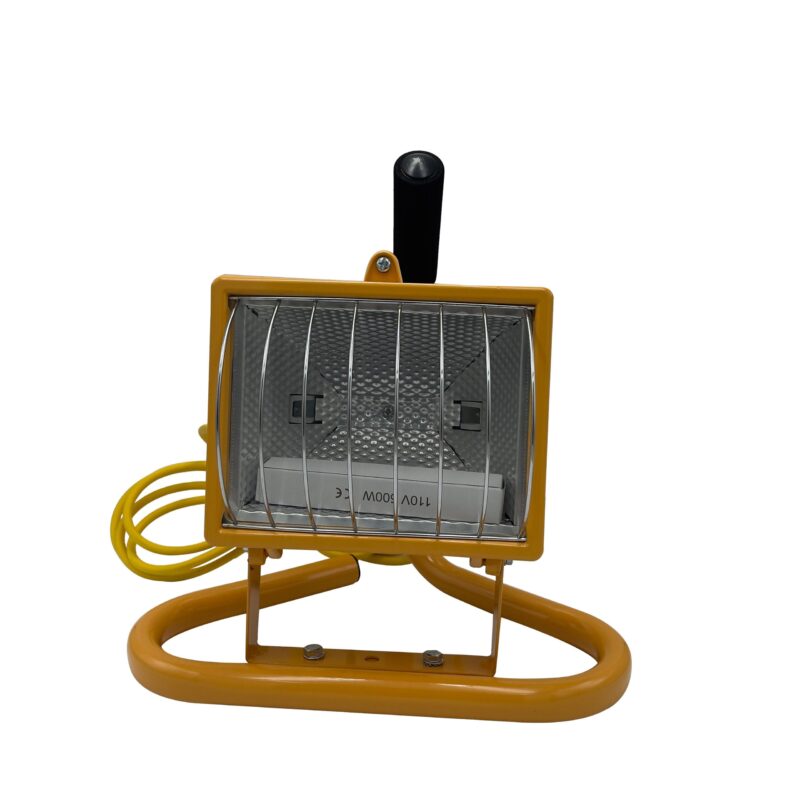
Power Consumption: LED lights use 50-80% less electricity. A 100W LED delivers the same lumens as a 500W halogen unit.
Lifespan: LEDs last 25 times longer than halogen bulbs, dramatically reducing replacement frequency and associated labour costs.
Heat Generation: Halogen lights become dangerously hot, posing burn risks and fire hazards. LEDs remain cool to touch even after hours of operation.
Instant Operation: LEDs reach full brightness immediately. Halogen and metal halide systems require warm-up periods of 3-5 minutes.
Durability: LED fixtures withstand vibrations, impacts, and temperature fluctuations far better than fragile halogen bulbs.
Total Cost of Ownership: While LED units cost more upfront, energy savings and extended lifespan deliver ROI within 12-18 months.
How to Select the Right LED Site Lighting
Choosing appropriate LED site lighting requires evaluating several factors:
Step 1: Assess Your Coverage Requirements Measure the area needing illumination. Construction sites typically require 20-50 lux, while detailed work areas need 200-500 lux. Calculate based on mounting height and beam angle.
Step 2: Determine Power Sources Identify whether mains electricity, generators, or battery systems will power your lights. Select models compatible with available voltage (110V or 230V in the UK).
Step 3: Check Weather Resistance Ratings Verify IP ratings match your environment. IP65 suits most outdoor applications, while IP66 or IP67 provides extra protection in extremely wet conditions.
Step 4: Consider Mounting Options Evaluate whether you need tripod stands, magnetic bases, hanging systems, or permanent fixtures. Portable solutions offer flexibility for changing site layouts.
Step 5: Verify Certification Standards Ensure products meet UK safety standards including BS EN 60598 for luminaires and relevant HSE guidelines for workplace lighting.
Step 6: Calculate Long-Term Costs Compare initial purchase price, energy consumption, maintenance expenses, and replacement frequency to determine true lifetime value.
Real-World Applications Across UK Industries
Construction and Infrastructure Projects: National Grid relies on LED site lighting for overnight infrastructure maintenance. The technology enables 24-hour work schedules while reducing energy costs by 65% compared to previous halogen systems.
Event Management: Major UK music festivals have transitioned to LED site lighting for stages, pathways, and security areas. The V Festival reduced lighting energy consumption by 70% after switching from traditional systems.
Industrial Facilities: Manufacturing plants use LED high-bay and floodlights to maintain consistent illumination across production floors. A Midlands automotive facility cut lighting expenses by £42,000 annually after upgrading to LED.
Emergency Services: Police, fire departments, and search-and-rescue teams utilize portable LED systems for accident scenes and night operations. The reliable illumination improves response effectiveness and officer safety.
Frequently Asked Questions
What is the average lifespan of LED site lighting? Professional LED site lights typically last 50,000-70,000 hours. With 10-hour daily use, this translates to 13-19 years before requiring replacement.
Are LED site lights suitable for extreme weather? Yes. Quality LED fixtures with IP65+ ratings withstand rain, snow, dust, and temperature extremes common in UK conditions. They operate reliably from -40°C to +50°C.
How much can I save by switching to LED site lighting? Most businesses reduce lighting energy costs by 70-80%. Total savings including reduced maintenance and replacement expenses typically deliver payback within 12-24 months.
Do LED lights work with existing generators? Yes. LED systems draw significantly less power, meaning generators can support more lights or smaller generators can replace oversized units, reducing fuel consumption.
Can LED site lights be dimmed? Many professional LED systems include dimming capabilities, allowing adjustment based on ambient light conditions and specific task requirements.
What warranty should I expect from a reputable supplier? Quality LED site lighting suppliers offer 3-5 year warranties covering manufacturing defects and premature failures. This protects your investment and ensures reliable performance.
Are there government incentives for switching to LED? UK businesses may qualify for Enhanced Capital Allowances (ECAs) allowing 100% first-year tax relief on energy-efficient lighting investments. Consult with your supplier about current programs.
Conclusion
Selecting the right LED site lighting supplier in the UK directly impacts project safety, efficiency, and profitability. LED technology delivers superior illumination while reducing energy costs by up to 80% and lasting 25 times longer than traditional alternatives.
Quality suppliers provide certified products meeting UK safety standards, comprehensive warranties, and expert guidance for your specific requirements. The initial investment returns value through lower operating costs, reduced maintenance, and improved workplace safety.
Ready to upgrade your site lighting? Contact a trusted UK LED site lighting supplier today for a customized assessment and quote. Transform your workspace with modern, efficient illumination that protects your team and your bottom line.