


Safe Use of Extension Leads – What to Pay Attention To?

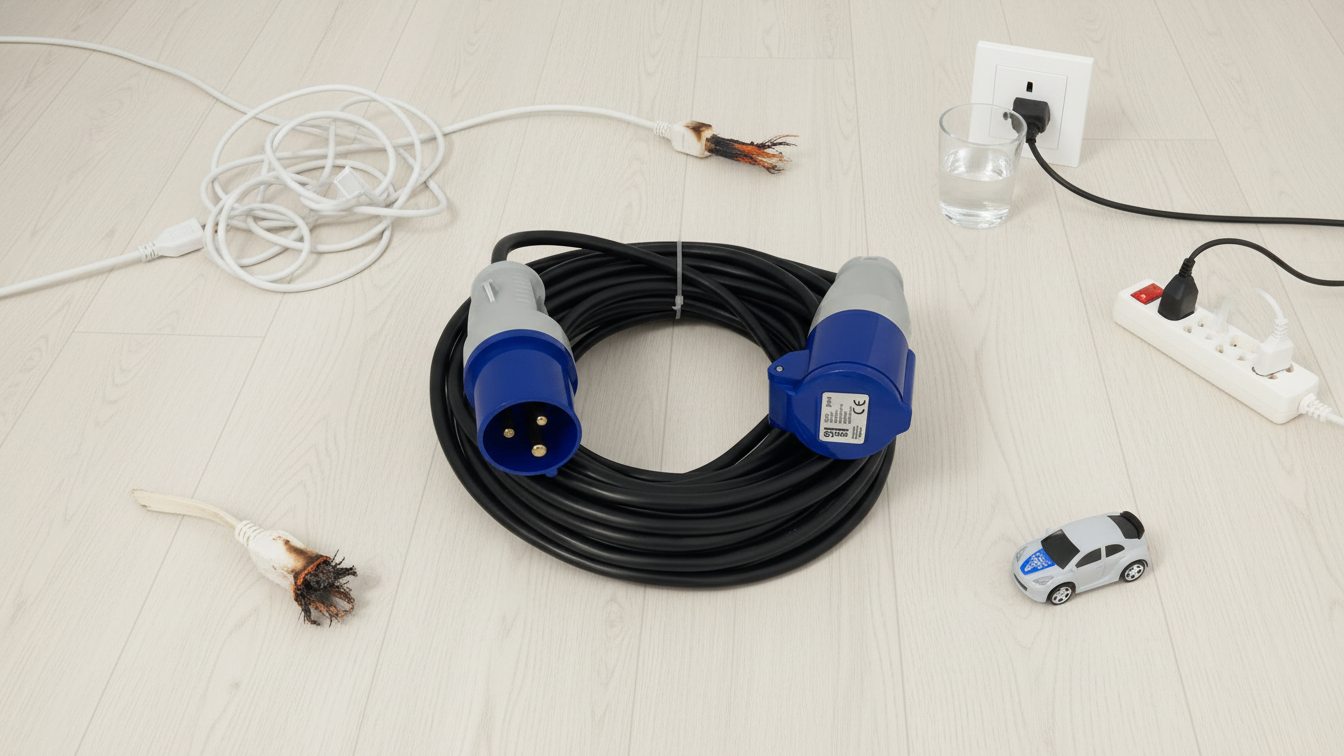
Extension cord reels provide safe and flexible access to power when used correctly. This guide from Connexion Electrical highlights key safety considerations, benefits, and recommended 240V extension leads for reliable everyday and industrial use.
What Is an Extension Cord Reel?
An extension cord reel is a coiled 240V extension cord housed on a rotating drum, allowing users to unwind only the cable length required. These reels are widely used with UK extension leads in both domestic and industrial settings.
Key advantage: reduced cable clutter and improved safety when compared to loose extension leads.
Key Safety Considerations When Using Extension Cord Reels
1. Always Fully Unwind the Cable
One of the most common causes of overheating is using a cord reel while it is still coiled. When current flows through a coiled cable, heat builds up quickly.
Best practice:
Fully unwind your 240 volt extension lead before connecting high-load appliances.
2. Match Cable Rating to Power Load
Using the wrong extension lead for your equipment can cause voltage drop or fire risk.
- 13amp: Suitable for light-duty household appliances
- 16amp: Ideal for workshops and outdoor tools
- 32amp: Required for industrial and high-load equipment
A heavy duty extension lead UK users rely on should always match the appliance’s current rating.
3. Choose the Correct Cable Thickness (mm²)
Cable thickness affects how much current the extension lead can safely carry.
- 1.5mm² – Light to medium loads
- 2.5mm² – High-power and continuous use
Thicker cables reduce resistance, improve efficiency, and enhance safety.
4. Use IP-Rated Extension Leads Outdoors
For outdoor or damp environments, always choose an extension lead with an appropriate IP rating.
- IP44: Protection against splashes and solid objects
Ideal for gardens, construction sites, and outdoor events.
5. Inspect Regularly for Damage
Before each use, check your UK extension lead for:
- Cracked insulation
- Loose plugs
- Signs of overheating
Damaged extension cords should never be repaired temporarily—replace them immediately.
Benefits of Using High-Quality Extension Cord Reels
- Improved electrical safety
- Reduced cable wear and tear
- Better heat dissipation
- Cleaner and more organised workspaces
- Suitable for both indoor and outdoor applications
Investing in certified 240V extension cords ensures long-term reliability and compliance with UK electrical standards.
Applications of Extension Cord Reels
Extension cord reels are widely used across multiple sectors:
Domestic Use
- Powering garden tools
- DIY and garage work
- Temporary indoor setups
Commercial & Trade
- Workshops and warehouses
- Mobile workstations
- Retail and exhibition setups
Industrial & Construction
- Power tools and machinery
- Temporary site electrics
- High-load equipment requiring 32amp extension leads
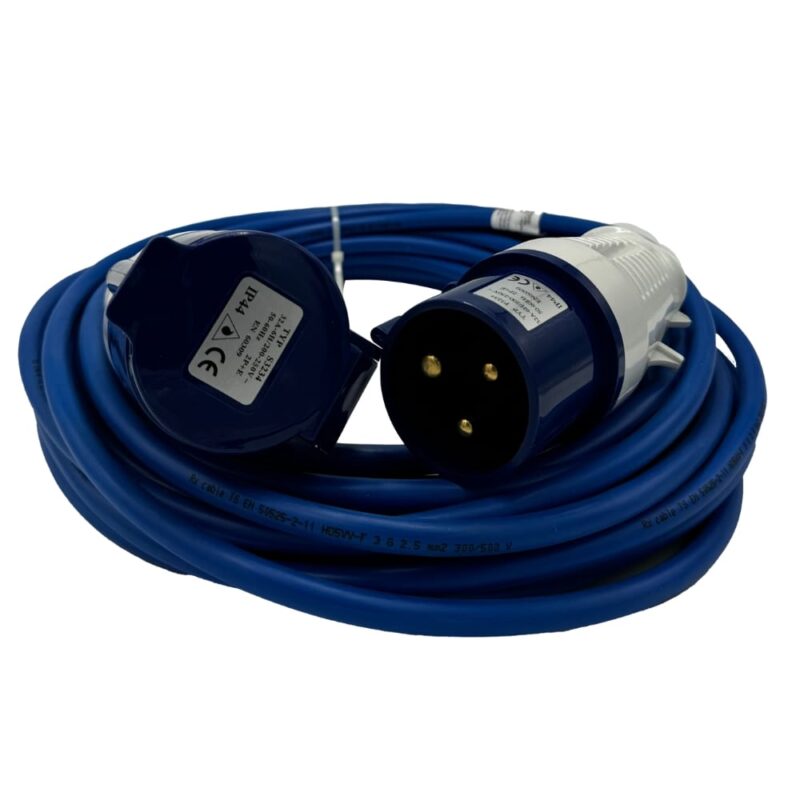
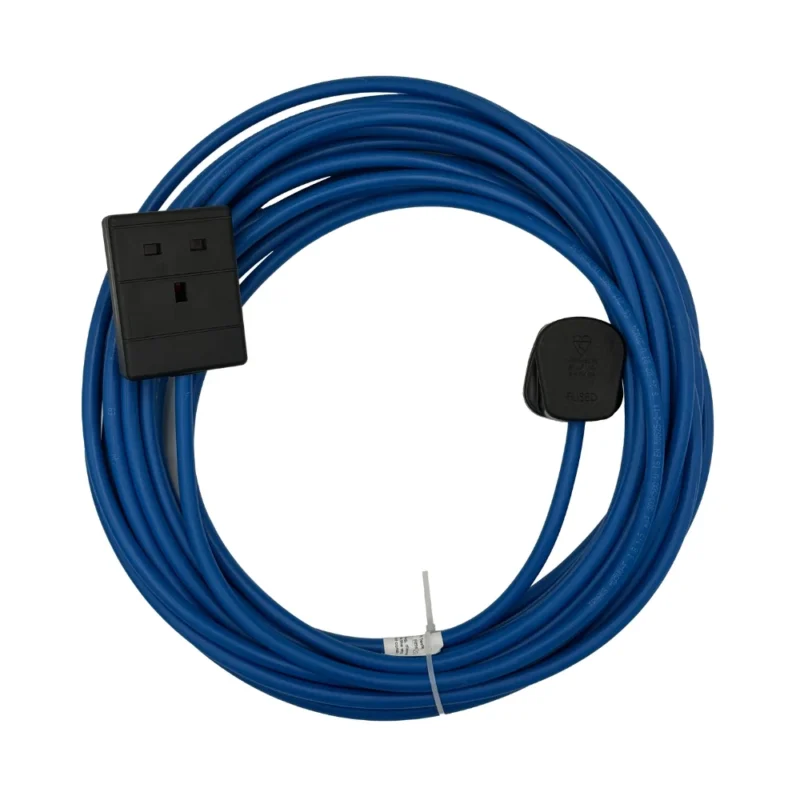
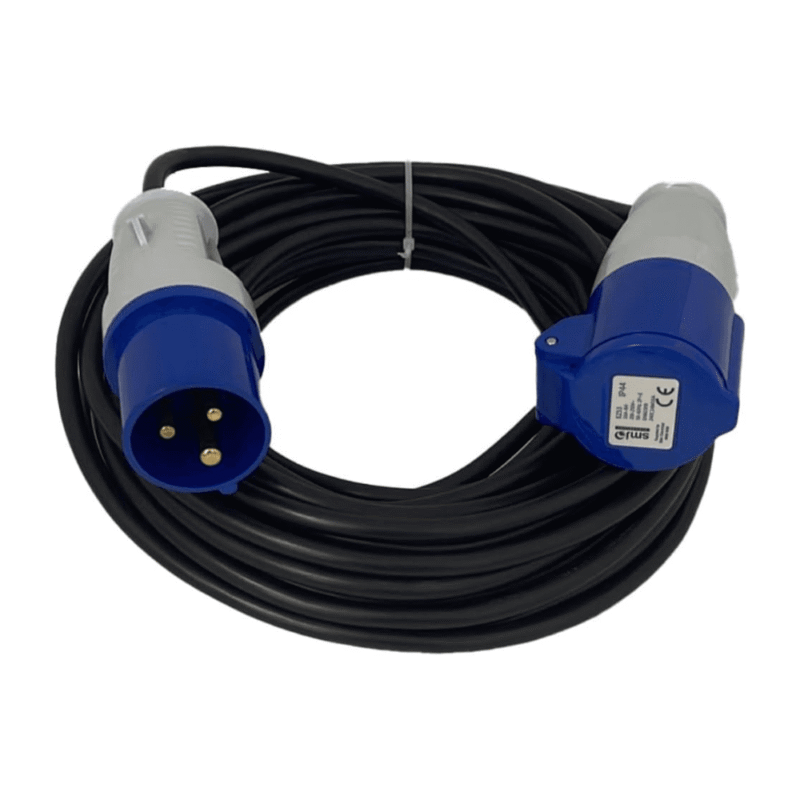
Recommended Extension Leads
| Product Name | Cable Length | Cable Size | Current Rating | IP Rating | Best Applications |
| 240V Extension Lead 14m 1.5mm Cable 13amp | 14 metres | 1.5mm² | 13amp | Indoor use | Homes, garages, light-duty appliances |
| 240V Extension Lead 14m 1.5mm Cable 16amp IP44 | 14 metres | 1.5mm² | 16amp | IP44 | Workshops, outdoor tools, damp environments |
| 240V Extension Lead 14m 2.50mm Cable 32amp | 14 metres | 2.5mm² | 32amp | Industrial use | Construction sites, machinery, high-load equipment |
How to Choose the Right Extension Lead
Choose based on:
- Appliance power rating (amps)
- Environment (indoor or outdoor)
- Cable thickness (1.5mm or 2.5mm)
- Required safety rating (IP44 or higher)
This ensures safe and efficient use of any 240 volt extension lead or extension cord reel.
FAQs
Q1: What is a 240 volt extension lead?
A: A cable that safely extends UK power sockets to appliances.
Q2: How do I use an extension cord reel safely?
A: Fully unwind the cable, match the current rating, use IP-rated reels outdoors, and check for damage.
Q3: Why use a heavy duty extension lead?
A: For higher currents, better durability, and safe use with tools or machinery.
Q4: Which Connexion Electrical lead should I choose?
A:
- 13amp 1.5mm² – Light indoor use
- 16amp 1.5mm² IP44 – Outdoor/workshop tools
- 32amp 2.5mm² – Industrial/high-load equipment